Social media monitoring refers to tracking, analyzing, and measuring various media channels.
These channels can include traditional media (such as newspapers, magazines, radio, and television) and digital media (including web-based platforms and social media).
Analyzing data from these sources enables businesses to understand public perception, industry trends, and brand reputation.
Here are the types, benefits, and social media monitoring best practices.
Table of Contents
Types of social media monitoring
1. Social media monitoring
Social media monitoring involves tracking mentions, comments, and shares of your brand, product, or service across various social media channels like LinkedIn, Facebook, Instagram, and TikTok. By monitoring these channels, businesses can:
– Respond to customer feedback promptly.
– Understand audience sentiment around their brand.
– Identify trends and capitalize on them effectively.
– Avoid potential PR crises by addressing negative sentiment early.
2. Online reputation management
Bad news spreads fast. Online reputation management involves tracking and managing a brand’s digital reputation. This includes:
– Monitoring reviews and ratings on sites like Yelp, Google Reviews, and Trustpilot.
– Addressing negative feedback swiftly to prevent escalation.
– Engaging positively with customers to improve public perception.
A well-crafted, timely response can turn a negative review into a positive experience, while an inauthentic or late response can damage your reputation further.
Vendasta AI Workforce: Best for Automated Review and Reputation Management
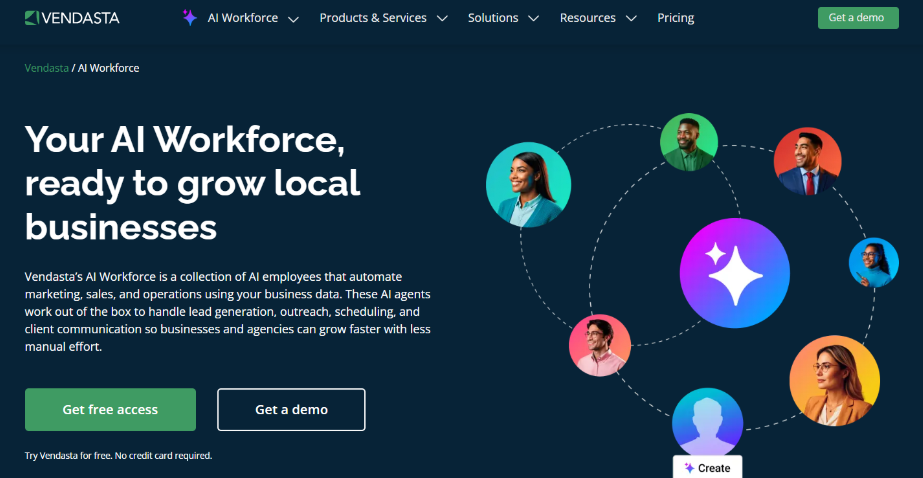
Small businesses often struggle to respond quickly and consistently to online reviews and brand mentions. Vendasta’s AI Workforce includes AI employees like the AI Reputation Specialist, who can monitor reviews across multiple platforms and craft human-sounding, on-brand responses using real business data. With no-code setup and fast onboarding, these AI employees can also support social media teams by creating content, tracking engagement, and surfacing reputation risks early. This helps small teams stay responsive and maintain a positive public presence without being overwhelmed.
3. News Monitoring
News Monitoring tracks mentions of a brand, product, or service in traditional media sources, such as:
– Newspapers
– Magazines
– TV broadcasts
– Online news portals
Businesses use news monitoring to stay informed about industry trends, competitors, and emerging opportunities. Additionally, identifying Key Opinion Leaders (KOLs) can help promote a brand positively.
4. Competitor monitoring
Media monitoring tools help businesses track not only their brand reputation but also their competitors’ activities. Competitor monitoring involves:
– Social media listening tools help in finding out how the public perceives rival brands.
– Identifying competitors’ strengths and weaknesses.
– Adjusting business strategies based on competitors’ successes and failures.
5. Crisis management
When a brand faces a crisis, a swift response is critical. Crisis management through media monitoring involves:
– Identifying negative feedback or emerging issues before they escalate.
– Crafting appropriate responses to mitigate potential damage.
– Using PR and social media strategies to shift public perception.
Benefits of Social Media Monitoring
1. Brand awareness
Social media monitoring helps brands track real-time conversations about their business, enabling them to:
– Respond to customer concerns instantly.
– Improve engagement by interacting with their audience.
– Strengthen brand reputation through consistent online presence.
2. Engaging the right audience
Understanding audience preferences allows businesses to build strong relationships and improve customer loyalty. Social media monitoring helps identify topics and trends relevant to target demographics. To streamline social media monitoring efforts, businesses should use tools that allow them to post to all social media at once while tracking engagement and brand mentions.
3. Competitor analysis
Tracking competitors helps brands:
– Identify gaps in their strategies.
– Discover what works best in their industry.
– Learn from competitors’ successes and mistakes.
4. Market research
Monitoring social media conversations enables brands to stay on top of:
– Industry trends
– Customer sentiments
– Emerging market demands
5. Better audience insights
Customers often provide direct feedback on social media through:
– Brand mentions
– Comments
– Hashtags
Tracking these insights using an analytics tool allows businesses to optimize content, products, and services based on audience responses.
Social Media Monitoring Best Practices

1. Set clear goals
Before starting social media monitoring, businesses should:
– Define their objectives (e.g., brand awareness, customer service, crisis management).
– Identify key metrics to track.
– Choose relevant monitoring tools.
2. Choose the right platforms
Not all social media platforms are equally relevant. Brands should:
– Identify where their target audience is most active.
– Focus monitoring efforts on high-impact platforms.
– Avoid spreading efforts too thin across multiple channels.
3. Identify relevant keywords
To track important conversations, businesses should:
– Use keywords related to their brand, products, competitors, and industry.
– Update keyword lists periodically to stay relevant.
4. Track brand mentions
Monitoring brand mentions helps businesses understand:
– Customer sentiment (positive or negative).
– How their brand is perceived in the market.
– Areas for improvement.
5. Interact with your audience
Engaging with customers builds trust and strengthens relationships. Businesses should:
– Thank users for positive feedback.
– Address negative reviews with a constructive approach.
– Participate in relevant discussions to maintain brand visibility.
6. Learn from competitors
Analyzing competitors’ social media strategies helps brands:
– Identify gaps in their approach.
– Adapt successful tactics.
– Avoid pitfalls competitors have faced.
7. Explore market dynamics
Regularly monitoring industry trends ensures that businesses remain competitive. Brands can:
– Stay ahead of emerging trends.
– Adapt marketing strategies based on evolving consumer preferences.
– Offer improved customer experiences based on data insights.
Conclusion
Media monitoring is an essential strategy for businesses looking to maintain a strong brand presence, engage their audience effectively, and stay ahead of competitors. By tracking social media, online reputation, news, competitors, and crises, companies can make data-driven decisions that enhance their overall success. Implementing best practices such as setting clear goals, tracking relevant keywords, and engaging with customers ensures businesses maximize the benefits of media monitoring.
Wait! Before You Go, Read:
 The Pros & Cons Of Using Social Media In Multinational Campaigns
 SMhack: The All in One Social Media Managing Tool
 Which AI Is Best for Social Media Planning?
 10 Free Online Tools to Monitor Your Social Media Influence
 Employee Monitoring on a Budget: Affordable Tools for Small Business Owners
 Fantastic Alternatives To Social Media Marketing
 Modern Web Implementation: Best Practices & Strategies
 3 Simple Tips to Promote Your Blog on Social Media
 When Is it Time to Hire Out for Social Media Posts for Your Business?
 Instagram Notes Ideas: Elevating Your Social Media Game
 How To Create A Social Media Marketing Content Plan
 10 Best Halloween Post Ideas for Social Media
 You’re Probably Overlooking These 5 Business-Friendly Social Media and Directory Sites
 How To Reuse Your Content – Social Media Recycling Guide
 Mastering SEO & Marketing: Effective Strategies for Financial Firms to Outpace Their Competitors
 5 Ways Twitter Could Lead a Revolution in Social Media Marketing
 How to Use an Online MP4 Converter to Boost Your Social Media Engagement
 Want More Loyal Fans? Try These Creative Strategies to Boost Participation and Engagement!
 Top Strategies for Localized Marketing to Increase Brand Awareness
 Unleash the Power of Social Media Marketing – Useful Resources Mentioned Here
 Cyfe : Your Multifunctional Dashboard With All-In-One Monitoring
 Navigating Online Reviews in 2025 — Tools for Reputation Management
 Strategies That Can Boost Business in Just Snap of a Finger
 5 Best Practices For Managing A Profitable WordPress Website
 Coronavirus Clickbait In The Media: Fake News, Misinformation And Distraction From The Real Issues