I used to get this knot in my stomach every time something expensive broke. My laptop. The washing machine. Even a decent pair of boots. You know that feeling when you need the thing, but dropping $800 all at once just hurts differently than spreading it out over a few months?
Here’s what I’ve learned about making smarter spending decisions without completely draining my bank account in one go. I wish someone had explained this to me 3 years ago when I was putting off replacing my dying phone.
Table of Contents
The Mental Math That Changed Everything
Breaking down purchases into monthly chunks makes them feel less like financial emergencies and more like regular bills. Would you rather pay $1,200 right now for a new laptop, or split that into 12 payments of around $110?
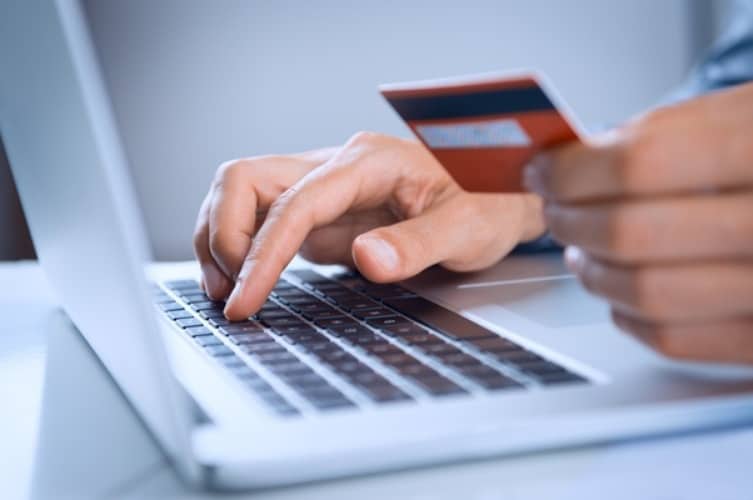
Being able to convert a purchase into an easy emi after you’ve already bought something is a total game-changer. When I buy something and later think “hmm, that was a bigger hit than I expected,” I can actually do something about it instead of just regretting my choices.
What Actually Makes Sense to Split Up
Not everything needs to become a monthly payment. Buying a $15 pizza on installments is ridiculous. But there are situations where it makes perfect sense: unexpected repairs that cost more than $200, electronics you need now but didn’t plan for, larger purchases you’ve been saving for but aren’t quite there yet, or medical expenses that pop up without warning.
Don’t turn every purchase into a payment plan—that’s how you end up with 17 different monthly payments and no clue what you actually owe.
The Real Numbers You Need to Know
Here’s what surprised me when I calculated the interest on a $1,000 purchase at 1% monthly interest—I’d be paying about $10 extra per month, which over 10 months comes to $100 total in interest. Ideal? No. But is it better than putting it on a credit card at 18% APR or skipping the purchase entirely when I actually need it? Absolutely.
theroarbank.in is not a separate bank, but an initiative of Unity Small Finance Bank Limited.
I’m not saying go wild and finance everything, but having the option has saved me from stressful situations like when my car needed new tires and I had exactly $73 in my checking account until payday.
When I Actually Use This Strategy
I use it when paying the full amount would mean dipping into my emergency fund or skipping other bills. Some months are tighter than others, and I’ve stopped feeling guilty about acknowledging that reality.
You need a minimum purchase amount, usually around $2,000, to convert something into installments. So we’re talking about actual significant purchases here, not everyday spending.
Being able to choose between 2 and 24 months means you can match the payment plan to your situation—getting a bonus in 2 months, pick a shorter term; tighter budget, stretch it out.
What matters most isn’t whether you pay all at once or over time but making purchases you can actually afford without wrecking your financial stability.
Wait! Before You Go, Read:
 Growing a Successful Marketing Business: How to Get Started
 6 Pro Tips on How to Get Started in Investing When You Turn 18
 Building a Strong Financial Foundation: Smart Ways to Start Saving Today
 UX Writing: How to Get Started and Examples
 Making Money from Social Trading – Here’s How to Get Started
 Traktor Lån Kalkulator: What is it and How Does It Improve Loan Management?
 How to Successfully Borrow from Family and Friends to Buy a House (Including the Dos and Don’ts)
 Local SEO 101: Everything You Need to Know to Get Started
 6 Side Hustle Ideas to Get You Started
 Can Refinancing Really Save You Money on Your Mortgage?
 Budget Vs. Financial Plan: Here’s Why You Need Both
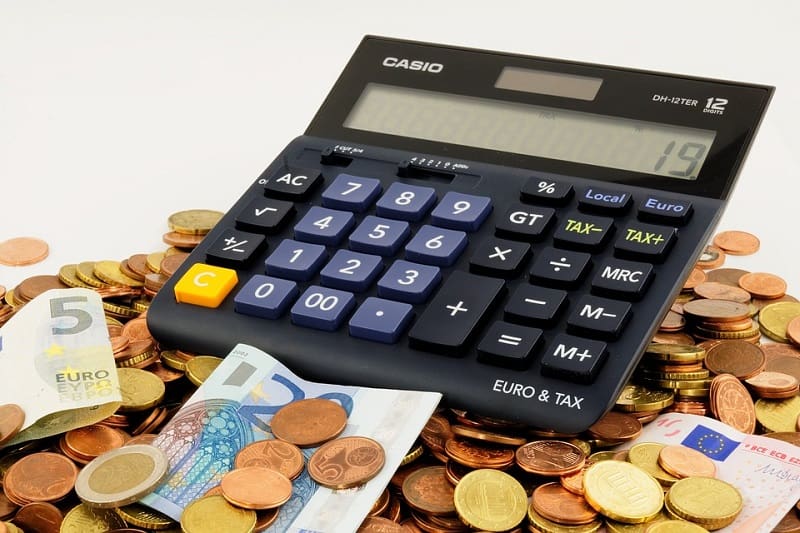 Simplifying the Payroll Process to Save Money
 The Ultimate Guide to the Best Airbnb Accounting Software to Track Income, Expenses, and Taxes
 Minimum Tenure Personal Loans: Are They the Best Fix for Urgent Needs?
 Best Tools to Streamline Vendor Payments for Growing Businesses
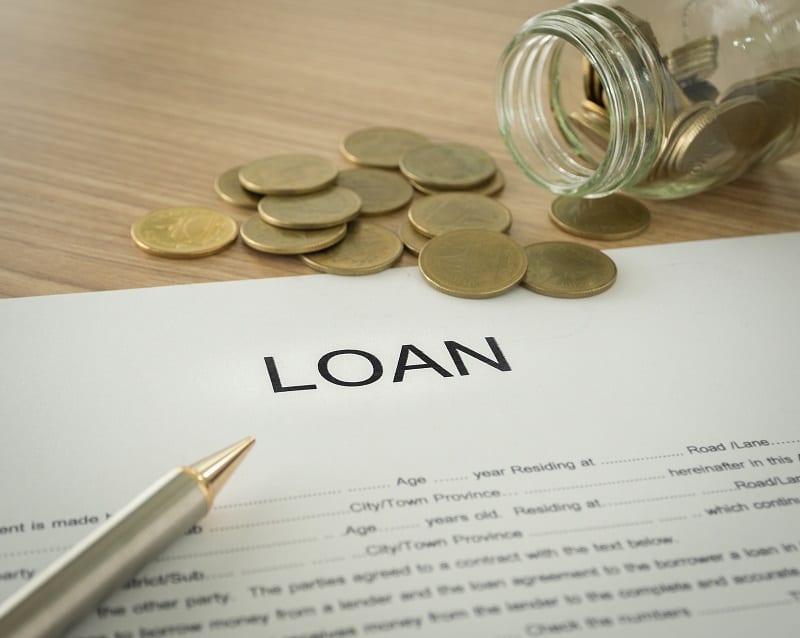 The Best Small Business Loans to Fund Your Company
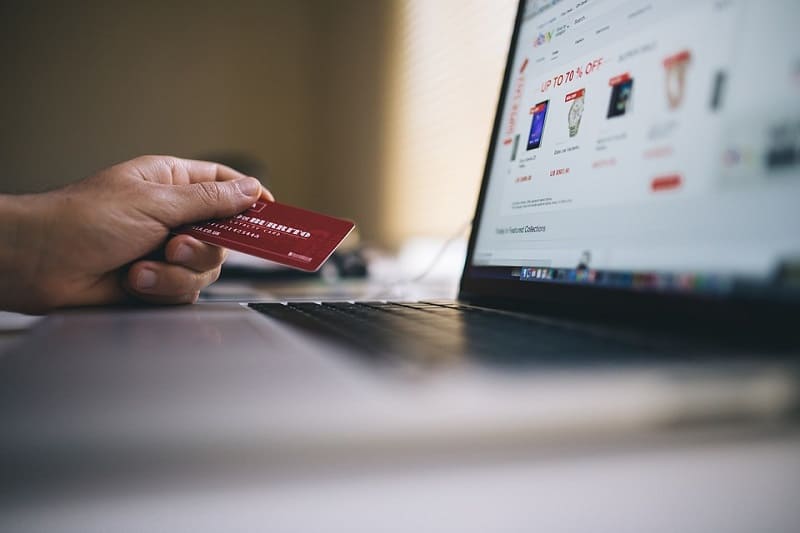 Checklist: Features You Should Check When Buying An Ecommerce Business
 How To Pay Off Bills: 6 Highly Actionable Tips
 5 Ways Bitcoin Can Boost Your Digital Business Revenue
 What Should You Consider Before Taking Out a Small Business Loan
 When High-Interest Debt Pushes, Equity Pulls You Out
 The Emotional Side of Debt Consolidation
 How Does Export Finance Improve Cash Flow Management for Exporters?
 How To Invest Your Pennies In The Right Place
 E-Wallets and QR Payments: Malaysia’s Digital Payments Transformation (2025)