In today’s dynamic online environment, businesses are under increasing pressure to back every marketing move with solid data. Data-driven decision-making has become essential for brands to stay relevant, optimize campaigns, and deliver measurable returns. With sophisticated analytics and access to consumer insights, even a well-established digital marketing company is now expected to go beyond traditional advertising and embrace tailored strategies that speak directly to individual consumers. The shift towards more intelligent marketing has led to a fundamental change in how results are achieved. Armed with vast troves of online and offline indicators, marketers can now deliver messages that resonate, anticipate customer behaviors, and measure campaign effectiveness in real time. The growth in this area shows no signs of slowing, making data-driven marketing the backbone of contemporary digital campaigns.
Table of Contents
The Rise of Data-Driven Marketing
The embrace of data-driven marketing has changed the consumer-brand relationship. By analyzing behavioral data from various digital touchpoints, companies now develop highly targeted campaigns that maximize efficiency and ROI. This pivot is mirrored in a recent Madison Logic survey, which found that more than 84% of B2B marketing decision-makers are steering away from broad, traditional advertising in favor of performance-based methods that rely on carefully mined insights from customer interactions. This movement toward data-centric decision-making allows organizations to better understand buying habits, audience segments, and emerging trends. When done effectively, it leads to more meaningful customer journeys and increased loyalty.
Another crucial benefit is the ability to perform rapid A/B testing across campaigns. Brands no longer need to wait for quarterly reports or lagging sales metrics to change their marketing strategies. With real-time dashboards and customizable reporting tools, insights can be gathered and implemented in mere days or even hours, driving continuous improvement throughout the campaign lifecycle. The integration of advanced customer relationship management (CRM) platforms and marketing automation tools has become a top priority for many digital marketers. These platforms enable seamless tracking of engagement across all funnel stages and help identify potential bottlenecks that could impede conversions. Ultimately, data-driven methodologies are empowering businesses of any size to compete on a more level playing field, regardless of budget constraints.
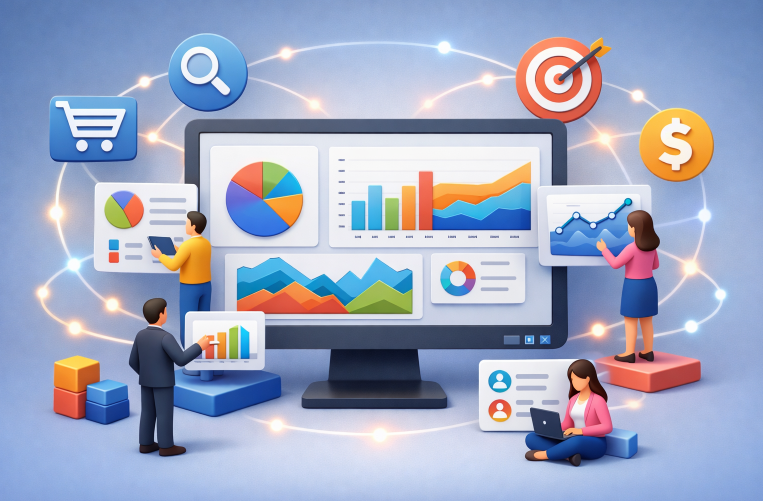
AI and Hyper-Personalization
Artificial Intelligence is accelerating the shift toward hyper-personalized marketing. AI-powered analytics decode complex consumer data sets to identify patterns that humans might miss, enabling marketers to craft highly specific messages for targeted audiences. For example, businesses can recommend products, deliver emails, and create landing pages tailored to an individual user’s preferences or recent activity. These capabilities are rapidly expanding as AI evolves. According to TechRadar, the age of hyper-personalization is redefining how brands interact with customers, offering experiences that feel unique to each person while driving loyalty and higher conversion rates.
Personalization through AI is now being implemented beyond just messaging or recommendations. Dynamic pricing, intelligent chatbots, and predictive customer service are becoming part of the hyper-personalized experience. Retailers leverage AI to forecast inventory needs based on previous shopping behaviors, while B2B firms use AI-driven lead scoring to prioritize outreach and nurture strategies. These examples underscore the potential of AI not only to engage but also to streamline internal processes, saving both time and resources while boosting satisfaction among both consumers and business clients. Brands that utilize AI responsibly gain a crucial market edge as consumers increasingly seek relevance and convenience in their digital interactions.
Challenges in Measurement and Attribution
Despite its promise, data-driven marketing faces ongoing hurdles in attribution and measurement. Many organizations struggle to accurately track consumer journeys that might span multiple channels and devices. According to a report from the Interactive Advertising Bureau, 75% of marketers feel their current measurement systems fall short of providing the insights needed for strategic decisions.
Improved attribution models and advancements in analytics are helping close these gaps, but businesses must invest in both technology and talent to unlock the full value of their marketing data.
Cross-device tracking, third-party cookie deprecation, and fragmented data sources create real obstacles. Marketers have to adapt to privacy regulations and browser restrictions while still providing meaningful metrics to stakeholders. The evolution of multi-touch attribution and media mix modeling is helping companies connect the dots. Still, there is a growing emphasis on first-party data collection and on developing proprietary models. Upskilling teams to interpret complex reports and implementing robust data governance processes are strategies that progressive companies are adopting to remain competitive despite these evolving challenges. As a result, businesses that harness both technological solutions and human expertise are achieving greater clarity and accountability in their campaigns.
The Shift Towards Performance Marketing
Performance marketing has quickly become the go-to model for brands looking to maximize their return. Unlike traditional strategies that focus on brand awareness, performance marketing emphasizes real-time metrics and optimization. Marketers increasingly use agile campaign structures, continuously testing and refining their efforts based on hard data from conversions, clicks, or engagements. According to the aforementioned Madison Logic survey, more than four in five marketers are now prioritizing performance-driven campaigns over traditional brand advertising.
This shift has led to the proliferation of pay-per-click, affiliate marketing, and influencer partnerships, where compensation is directly linked to measurable outcomes. Success in performance marketing demands quick analysis and decision-making, pushing marketers to adopt systems with algorithmic bidding, automated budget allocation, and sophisticated tracking pixels to optimize every dollar spent. The push toward measurable outcomes is also forcing agencies and businesses to be more transparent with reporting, fostering a culture of accountability and continual optimization across all digital channels.
Privacy Concerns and Data Ethics
The reliance on consumer data brings heightened scrutiny over privacy and ethical considerations. As regulations like GDPR and CCPA take hold globally, businesses are held to higher standards for collecting, storing, and using customer information. Transparency and consumer trust now play a critical role in long-term success. According to Search Engine Land, privacy concerns are steering many marketers back to fundamentals, with renewed emphasis on obtaining explicit user consent and delivering clear value in exchange for information.
To further strengthen consumer relationships, companies are adopting greater transparency in data usage policies and being proactive about breaches and misuse. Many are implementing privacy-by-design principles, collaborating with legal experts to maintain evolving compliance, and investing in tools that anonymize or tokenize consumer data. Moreover, ethical marketers advocate responsible data management, respect user consent preferences, and give customers greater control over their data. As society becomes more aware of digital rights, brands that lead with integrity and transparency will be more resilient to reputational risks.
Future Trends in Data-Driven Marketing
Looking to the future, continued innovations in AI, machine learning, and predictive analytics will unlock even more opportunities for marketers. The next evolution will involve greater sophistication in measuring incremental lift, refining audience targeting, and balancing hyper-personalization with strict privacy controls. Businesses that succeed will be those that adapt to new technologies swiftly and operate with transparency and accountability.
Industry leaders recommend investing in robust analytics infrastructure and training teams to use interpretive models, ensuring marketing efforts remain relevant and effective as digital expectations continue to rise. Reputable publications such as Forbes echo that only by responsibly leveraging data can brands maintain consumer trust and competitive advantage. A decisive move toward data-driven decisions is shaping the future of digital marketing. As technology continues to evolve, those who prioritize measurement accuracy, privacy, and the ethical use of data will be best positioned to thrive in a constantly changing digital marketplace. Business agility and a culture of continuous learning will set leading brands apart from those left behind as the tools and expectations of digital marketing evolve with consumer behavior and regulatory shifts. Finding the right mix of data utilization, innovative technology, and human insight will prove essential for future growth in an increasingly competitive online world.
Conclusion
Data-driven marketing is no longer a competitive advantage, as it is the standard for success in a rapidly evolving digital landscape. As businesses embrace advanced analytics, AI-powered personalization, and performance-focused strategies, they unlock new levels of efficiency, precision, and customer engagement. While challenges such as attribution complexity and data privacy remain, organizations that prioritize transparency, ethical practices, and continuous optimization will stand out. By staying adaptable and investing in the right technologies and talent, brands can turn data into actionable insights that drive sustainable growth, stronger customer relationships, and long-term success.
Wait! Before You Go, Read:
 How Data-Driven Executive Search is Revolutionizing Leadership Hiring
 The Future of Business Operations: AI-Driven Logistics Software
 Empowering Small Businesses with Data-Driven Insights: The Benefits of Advisory Consulting
 How Real-Time Data Can Help You With Better Trading Decisions
 10 Best Digital Marketing Jobs You Can Do From Home
 8 Effective Digital Marketing Tools for your Business in 2023
 Demand Generation vs Account-Based Marketing: Key Differences
 How the Financial Decisions That You Make Now Shape Your Future
 The Future of Online Ads: Keeping Clicks Cost-Effective
 How FinTech Utilizes Science for Smarter Financial Decisions
 From Clicks to Customers: Optimizing Your Content Marketing Funnel
 Expanding Your Industrial Equipment Business with Digital Marketing Strategies
 5 Outdated Marketing Tactics You Should Ditch Immediately
 Benefits of Engaging In Digital Marketing
 Why Late Movers are Losing Out on Top AI Optimization Agencies
 Why Storytelling Is the Secret Weapon of Top Digital Marketers
 The New Wave of Digital Payments (For Users And Businesses)
 3 Digital Marketing Tips for Professionals Selling their Services
 5 Types of Marketing That Will Help Your Business Grow
 Digital Events: Which Metrics Should You Monitor?
 The Art of Inquiry: Redefining Business Purchasing Decisions
 Social Media Monitoring: Strategies, Tools, and Best Practices
 How to Split Online and Offline Marketing Budget
 How to Access to Updated Financial Data as an Investor or Trader
 Why Mobile Flexibility is Vital in a Digital-First World