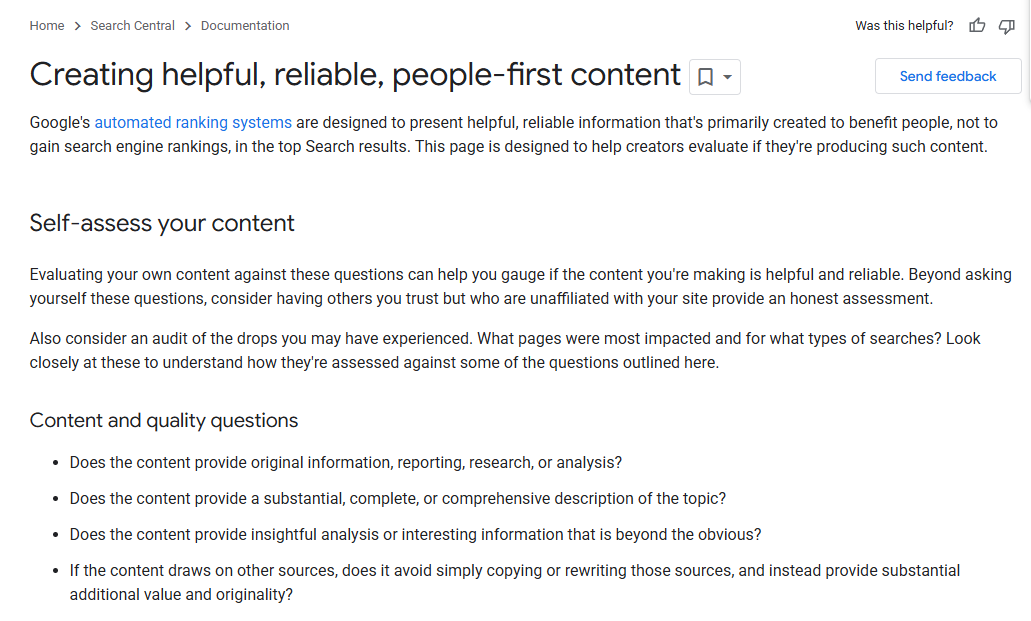
Topical authority is no longer just a buzzword in SEO—it’s a pivotal strategy for dominating search engine results and shaping audience trust. Building topical authority means establishing yourself (or your brand) as the go-to source for in-depth, reliable, and comprehensive information on a specific subject. For SEO specialists, content marketers, and digital strategists, cementing topical authority can significantly boost rankings, drive organic traffic, and elevate brand reputation.
This guide will break down the concept of topical authority, unpack why it matters, and provide actionable steps to help you build it into your content strategy.
Table of Contents
What Is Topical Authority?
Topical authority is the perceived expertise and trustworthiness of your website (or brand) in a particular field or niche. Search engines like Google assess how well your content covers a subject by evaluating:
- Depth of Coverage: Are you addressing all aspects of the topic comprehensively?
- Relevance: Does your content match what users are searching for?
- Interlinking: Is your information cohesively interconnected within your website?
- External Validation: Do other trusted sources link back to your content?
Ultimately, topical authority sets your website apart because it demonstrates mastery of a subject through high-quality, valuable content.
For instance, imagine you run a blog about fitness. If you publish related, robust content like beginner workout plans, advanced techniques, injury prevention, nutrition guides, and even mental health articles for athletes, Google will begin associating your domain with comprehensive expertise in fitness.
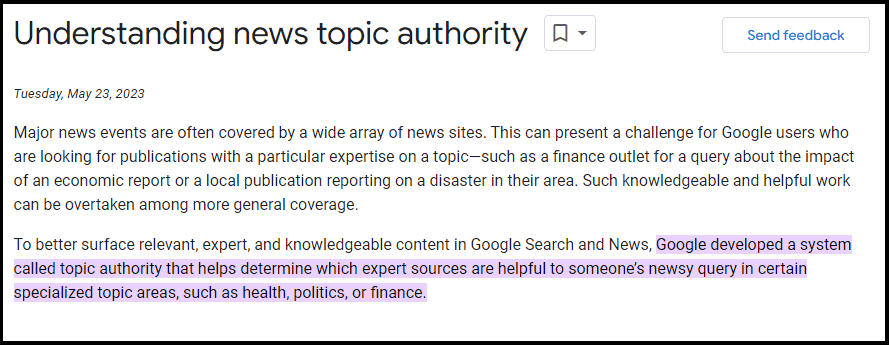
In fact, as of May 2023, Google uses a system to identify experts providing the most helpful information for news queries.
Why Does Topical Authority Matter in SEO?
Building topical authority isn’t just about writing content at scale. It aligns with Google’s E-E-A-T principles—Experience, Expertise, Authoritativeness, and Trustworthiness. Establishing topical authority has several benefits:
- Improved Search Rankings:
Topical authority signals to Google that your site provides meaningful value across related queries. This increases your likelihood of ranking for primary keywords, long-tail variations, and even highly competitive search terms.
- Higher Organic Traffic:
With increased visibility comes more clicks. Topical authority enables you to cast a wider net, capturing traffic across various stages of the buyer’s or researcher’s intent.
- Enhanced User Trust:
When visitors see that your site consistently delivers well-researched content, they are more likely to trust your expertise, visit repeatedly, and convert into loyal followers or customers.
- Reduced Reliance on Paid Campaigns:
Organic visibility through topical authority means less dependence on expensive digital advertising strategies. Quality content continues to pay dividends over time.
Simply put, prioritizing topical authority allows you to outperform competitors who rely solely on isolated blog posts while positioning yourself as a thought leader in your niche.
How to Build Topical Authority in 7 Steps
1. Identify Your Niche and Audience Needs
Topical authority starts with clarity. You must define your niche and deeply understand your target audience. Use tools like Google Trends, SEMrush, and Answer The Public to uncover:
- Topics your audience is interested in.
- Common pain points or questions they seek answers to.
- Emerging trends within your industry.
For example, if you’re targeting e-commerce SEO professionals, topics might include conversion rate optimization, technical SEO tips, product page structure, and link-building strategies specific to e-commerce.
2. Perform a Comprehensive Content Gap Analysis
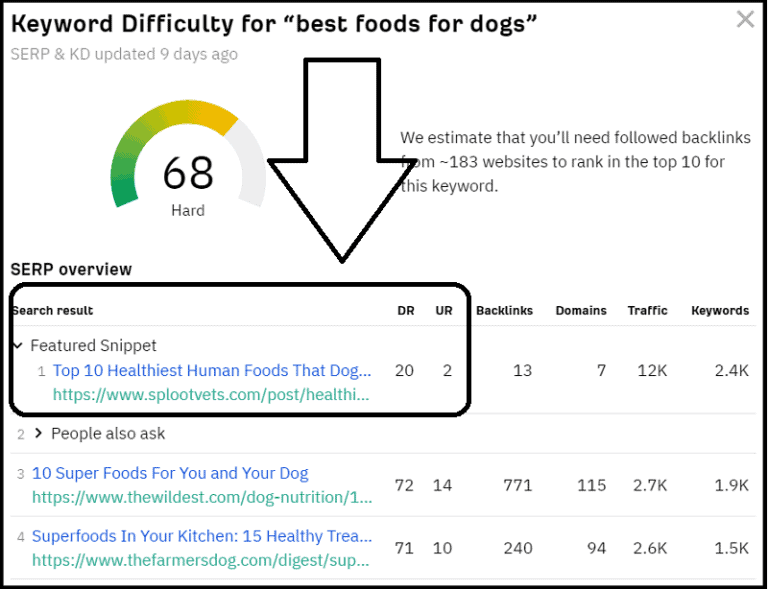
Content gaps are opportunities. By identifying areas where your competitors provide value but your site does not, you can create fresh, hyper-relevant content. Tools like Ahrefs, Surfer SEO, or SEMrush’s Topic Research feature can help pinpoint:
- Missed subtopics or keywords within your niche.
- Popular questions users are actively searching for.
- Overlooked long-tail keywords you can rank for.
3. Plan a Content Cluster Strategy
Content clusters are pivotal for building topical authority. The model involves creating a pillar page that covers a broad topic in-depth and supporting it with cluster pages on related subtopics.
For example:
- Pillar Topic: “The Ultimate Guide to SEO for Beginners”
- Cluster Topics:
-
- “On-Page SEO Tips for 2024”
- “How to Build High-Quality Backlinks”
- “Technical SEO Checklist”
- “Understanding Keyword Intent”
The interlinking between your cluster content and pillar page sends clear signals to Google that your site comprehensively dominates the subject.
4. Produce Depth-Driven, Evergreen Content
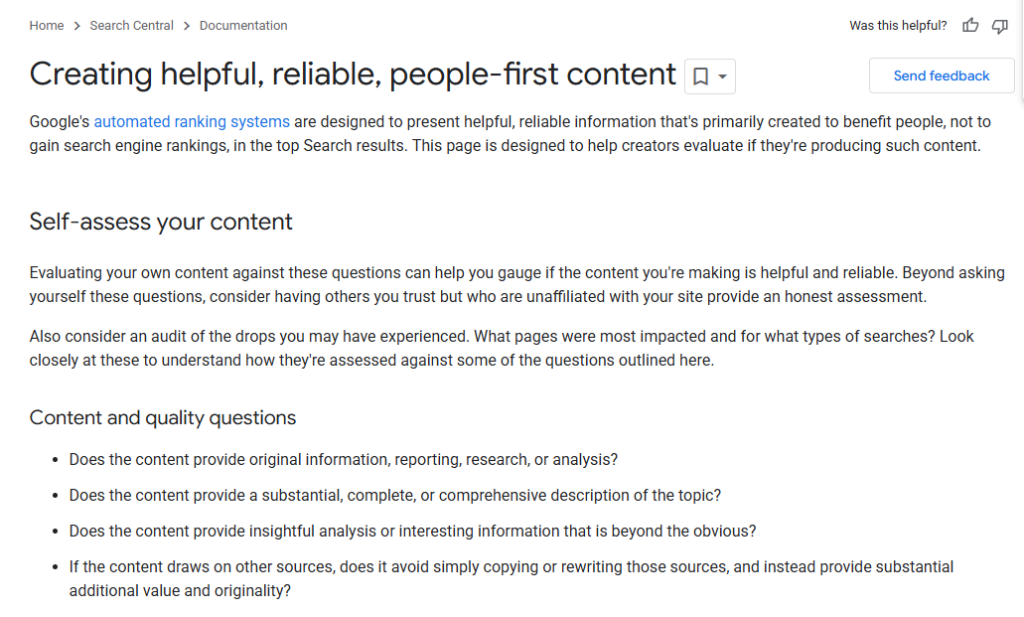
To establish authority, your content needs to go beyond the surface. Create in-depth, well-structured, and thoroughly researched articles that educate your audience. Some best practices include:
- Include Data: Back up claims with statistics, case studies, and credible third-party sources.
- Use Visuals: Diagrams, infographics, and tables enhance readability and make complex concepts easier to understand.
- Provide Comprehensive Answers: Leave no question unanswered. Position yourself as the undeniable expert.
Additionally, focus on evergreen content that remains valuable over time. While timely news pieces can provide short-term traffic spikes, evergreen topics consistently contribute to long-term visibility.
5. Boost Internal Linking and Site Architecture
An effective internal linking strategy is key to establishing a topical connection between your content pieces. Each blog post should direct traffic to your related pillar and cluster pages. This provides the structure Google needs to crawl your site and assess its depth on a particular topic.
Beyond just SEO benefits, clear navigation also improves the user experience by helping readers find exactly what they need in seconds.
6. Build High-Quality Backlinks
Backlinks from reputable sites amplify your authority in Google’s eyes. Promote your comprehensive, value-packed content to industry influencers or websites that accept guest posts. Resources like Featured.com can also connect you with journalists looking for expert commentary.
Focus on quality over quantity—one backlink from an authoritative domain can be more impactful than many links from low-quality sources.
7. Update and Repurpose Existing Content
Having robust content on your site is great, but stale information can diminish credibility. Regularly revisit existing posts to:
- Refresh statistics and references.
- Update outdated advice or methods.
- Optimize content for newly trending keywords.
Additionally, repurpose high-performing content into other formats such as videos, infographics, or social media posts. This extends the reach of your content and its ability to build topical authority.
Common Mistakes That Undermine Topical Authority
Even with the best intentions, many content marketers unknowingly sabotage their topical authority efforts. Avoid these pitfalls:
- Focusing on quantity over quality.
- Publishing content across too broad a range of unrelated topics.
- Ignoring internal linking or site structure optimization.
- Neglecting analytics, which can reveal whether your topical authority strategy is working.
Building Topical Authority Is a Long-Term Game
Earning topical authority doesn’t happen overnight—but the benefits make it well worth the investment. By establishing a clear strategy, creating quality content, and continuously optimizing and promoting it, you can carve a position as the trusted authority in your niche.
Whether you’re aiming to dominate SEO rankings, grow organic traffic, or reinforce your brand’s credibility, topical authority opens the door to sustainable growth. Start small and remain consistent. Over time, both search engines and your audience will reward your efforts.
Wait! Before You Go, Read:
 What is Your Business Model – Authority Site, Niche Sites or Something Else?
 5 Powerful Content Leveraging Tactics To Earn High Authority SEO Links
 How to Ethically Build Links to Your Site for Greater Ranking
 8 Tips for Experienced Bloggers – How to Build a Better Blog
 How to Write for Users and Search Engines: 10 Practical Steps
 How to Earn Money Online with Niche Sites – 10 Crucial and Current Tips to Beat Your Competition
 Boost Your Traffic and Increase Your Authority with Viral Content Bee
 10 Tips to Beat Google Panda and Google Penguin Update
 7 Effective Steps for Your Visual Marketing – You Want to Go Viral
 Why Online Sportsbooks Should Always Embrace Niche Content
 Tips For Combining SEO & Content Marketing
 9 Effective SEO Copywriting Secrets That Will Drive More Traffic
 5 Steps to Create and Sell an Online Course
 Best Practices of Internal Linking for SEO Benefits
 Top Enterprise SEO Strategies That Drive Growth at Scale
5 Content Boomerang Steps for Explosive Audience Growth
Top Enterprise SEO Strategies That Drive Growth at Scale
5 Content Boomerang Steps for Explosive Audience Growth
 SEO for Startups: A Smart Guide for Entrepreneurs
 Here’s How To Build Three Truly Passive Income Systems Based On AI
 14 Passive Income Examples to Build Wealth in 2025
 5 Easy Steps to Dominate Blogging
 7 Important Principles to Improve Your SEO Results
 5 Ways You Can Do to Stay on Top of SEO Ranking
 Remove Your WordPress Site from Google Blacklist: 5 Simple Steps
 7 SEO Metrics to Make Sure Your Search Campaigns Are Healthy
 Karnataka Introduces Gaming Regulatory Authority In 2025: A Game Changer For Operators