Use case pages are essential tools for demonstrating how your product or service solves real customer problems. Creating a focused use case page gives prospects a clear picture of how your solution fits into their workflow and addresses their unique challenges. To see successful examples and gain inspiration for your own approach, explore this gallery of use cases design from leading brands and software platforms.
Well-structured use case pages can turn product features into compelling, outcome-oriented stories for specific audiences. By using a step-by-step strategy, you can highlight the value your solution brings, guide your prospects through their decision-making journey, and position your offering as the answer to their problems.
The best use case pages focus on demonstrating the business impact rather than listing technical specs. This emphasizes how your product creates measurable improvements in your customers’ operations or results. The art of crafting these pages lies in tailoring the message to the reader’s pain points and aspirations while delivering clear proof and actionable pathways.
When you approach use case page creation with purpose and customer insight, you can accelerate trust and engagement. Not only do these pages attract prospects, but they often become key assets for sales teams and decision-makers evaluating your solution.
Table of Contents
The Importance of Use Case Pages
Use case pages are powerful assets for any company wanting to convert browsers into buyers. They contextualize your offering by focusing on the actual problems your audience faces and show how your product provides a path to resolution. Instead of presenting abstract benefits, these pages bring your solution to life through storytelling that resonates with your target customer’s specific needs, pain points, and aspirations.
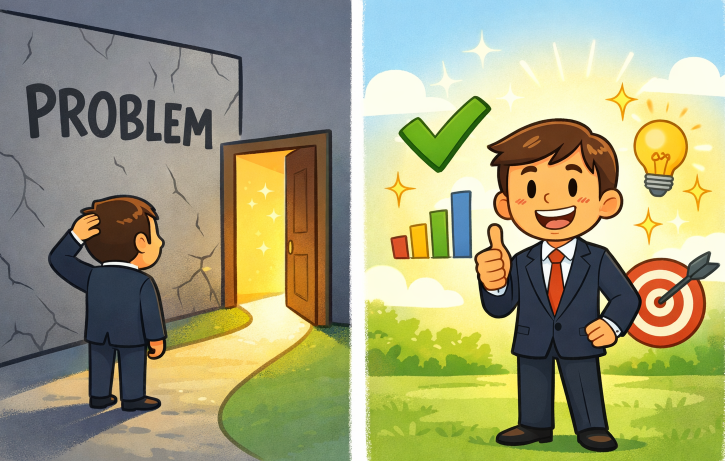
Studies in the SaaS industry emphasize that use case pages must move beyond basic feature lists to address the business impact in terms that speak directly to economic decision-makers. According to the Harvard Business Review, buyers are increasingly seeking outcome-driven content that clearly outlines a path from challenge to solution. Aligning your use case structure with the logic of business value (problem, bottleneck, solution, and proof) ensures your content has the clarity and persuasion required to win buy-in at every stage of the funnel.
Essential Components of an Effective Use Case Page
Every effective use case page should include these four key elements:
- Context: Defining the audience’s situation, industry, or job role helps ground your story. The clearer the context, the easier it is for visitors to identify themselves in your narrative.
- Outcome: Specify the results your audience is looking for. Whether it is efficiency, cost savings, or compliance, the outcome section sets expectations and motivates the reader to keep going.
- Proof: Use credible data, customer stories, testimonials, or industry benchmarks to support your claims. Third-party validation increases the perceived credibility of your page.
- Path: Outline the steps your product enables. Show a clear, concise process that leads from the audience’s current pain point to their desired result with your solution.
This structure addresses the core questions your readers have: Is this for me? How will it help? Can I trust these claims? What are my next steps? A well-built use case page answers these in succinct, audience-specific language, allowing prospects to self-select and move confidently toward conversion. For more on storytelling and customer-centric marketing, see this Forbes resource.
Best Practices for Designing Use Case Pages
Design and structure play a crucial role in how your use case page is received. Consider these best practices:
- Use Your Customer’s Language: Incorporate the same words and phrases your prospects use when talking about their challenges and desired outcomes. This creates instant resonance and trust.
- Prioritize Clarity and Outcomes: Clearly state the benefits at the top of the page to avoid overwhelming visitors with feature details.
- Consistent Formatting: Maintain a uniform visual hierarchy, content flow, and tone across your use case pages so users can quickly scan and absorb information.
- Include Visuals: Support your points with charts, diagrams, and images. Visual aids can clarify complex processes and break dense information into more digestible chunks, improving readability.
Do not forget the importance of mobile responsiveness and accessibility. As Forbes outlines, intuitive layouts and user-centered design principles are crucial for any content intended to drive engagement and conversions.
Real-World Examples of Successful Use Case Pages
Learning from successful use case pages can provide inspiration and clarity for crafting your own. Top-performing examples commonly feature:
- Direct, Problem-Focused Headlines: Instantly addressing a specific pain point or industry challenge to hook the reader’s interest.
- Problem-Outcome-Benefit Arc: Moving readers from identifying the core problem, through the solution your product offers, and on to the tangible benefits customers have gained as a result.
- Quantifiable Proof: Including statistics, before-and-after case studies, or recognizable customer logos that provide evidence of value and results.
Look at how leading technology companies, B2B software providers, and service brands frame their use case content. Pay attention to both narrative choices and visual design for maximum impact.
Conclusion
Developing clear, outcome-oriented use case pages is a strategic investment for any business seeking to engage, educate, and convert prospects. By focusing on customer context, demonstrating real results, and leveraging best design practices, your organization can create use-case pages that inform and persuade. Make use-case content a staple of your marketing strategy to show how your solution uniquely solves your customers’ most pressing needs.
Wait! Before You Go, Read:
 How to Create Landing Pages that Make Money
 How to Upgrade to HTTPS: Advantages, Disadvantages and Step by Step Guide for You
 Guest Blogging Tips – Step by Step Guide for Every Blogger
 5 Steps to Create and Sell an Online Course
 How to Create a Website Wall of Love (Tools and Examples)
 Effective Guidelines For Promoting Your Content
 6 Best Ways: How to Create an E-commerce Site from Scratch
 How to Create a Quality Content Strategy for a Mobile App?
 Designhill Logo Maker: How to Create Your Own Logo in Minutes
 The Tricks Insurance Adjusters Use to Reduce Compensation in a PI Case
 7 Highly Effective Ways on How to Get Traffic to Your Blog
 An Effective Strategy to Increase the Sales of Your eCommerce
 9 Effective SEO Copywriting Secrets That Will Drive More Traffic
 On-Page SEO: What You Need to Know to Optimize Your Web Pages
 Mastering SEO & Marketing: Effective Strategies for Financial Firms to Outpace Their Competitors
 How to Create Passive Income Using Marketplaces
 How to Create the Perfect Salon Atmosphere that Keeps Clients Coming Back
 How To Create A Social Media Marketing Content Plan
 How to Create a Strong Business Plan
 5 Ways To Create Passive Income with a Blog
 How To Reuse Your Content – Social Media Recycling Guide
 The Definitive Guide to Writing Roundup Posts That Go Viral
 How to Create Quality Content When You Don’t Have Much Time
 4-Step Plan You Need to Make $2,000/Month with High-Ticket Offers
 Things to Remember When Setting Up a Website for an Online Business