Every great business starts as a spark: a thought in the shower, a napkin sketch at a coffee shop, a late-night conversation that turns into something real. But the gap between that initial spark and a polished, fundable, scalable business is enormous. What fills that gap? Planning. Clarity. And the ability to communicate your vision to the people who matter most.
That’s exactly where SlideBazaar comes in.
I’ve been building and launching small businesses for a few years now, and I can honestly say that the way I plan, present, and pitch has changed dramatically since I started using SlideBazaar’s templates to create PowerPoint and Google Slides presentations. Whether you’re pitching to investors, walking your team through a new strategy, or just trying to get your own thoughts in order, having the right visual tools makes all the difference. In this post, I want to walk you through how I use SlideBazaar across every stage of the business-building process, from the very first idea all the way to closing a deal in the boardroom.
Table of Contents
Getting the Idea Out of Your Head

Before anything else, a new business idea needs to be externalized. As long as it lives only in your mind, it remains vague, untested, and impossible to share. The first thing I do with any new concept is open up SlideBazaar and find a template that forces me to articulate the essentials: What is the problem I’m solving? Who is my customer? What’s my unique angle?
SlideBazaar offers a wide range of business model and concept templates that essentially act as prompts. They push you to answer the hard questions early, before you’ve invested too much time or money. Filling in a visually structured slide forces a kind of discipline that a blank Word document simply doesn’t. You can’t skip a section when it’s staring at you as an empty placeholder on a beautifully designed slide.
I’ve also found that this early-stage exercise reveals holes in my thinking faster than any other method. When you can’t fill in the “revenue model” section or the “target demographic” box, that’s a signal worth paying attention to, and it’s far better to catch it at the idea stage than after you’ve already built something.
Mapping the Road Ahead
Once the core idea is solid, the next challenge is figuring out how you’re actually going to build it. This is where timeline planning becomes absolutely critical, and it’s one of the areas where SlideBazaar genuinely shines.
Using SlideBazaar’s timeline templates, I lay out the entire journey from concept to launch, tracking progress month by month and sometimes week by week. This includes product development milestones, marketing kick-off dates, hiring targets, budget checkpoints, and go-to-market phases. Having all of this on a single, visually clean slide does two important things.
First, it gives you a reality check. Most entrepreneurs, myself included, tend to be optimistic about timelines. When you actually put every task on a visual roadmap, you quickly realize that six weeks isn’t enough time to both build a product and run a beta testing phase. The timeline forces honesty.
Second, it becomes a communication tool. Instead of sending a wall of text to a co-founder or early team member describing what needs to happen, you share the timeline slide and everyone is immediately on the same page. The visual format compresses complexity into something digestible.
SlideBazaar’s timeline templates are fully customizable, which matters enormously in practice. No two businesses follow the same path, and a rigid template that can’t be reshaped to your situation isn’t much use. With SlideBazaar, I can add phases, rename milestones, adjust color coding for different teams or departments, and tailor the whole thing to reflect my actual business rather than a generic version of one.
Understanding and Presenting Your Market
One of the most common weaknesses in early-stage business pitches is a vague or poorly supported market analysis. Saying “our target market is huge” isn’t enough. You need data, and you need to present it in a way that’s compelling and easy to understand.
SlideBazaar has a strong library of data visualization and market analysis templates that I’ve used to build out this section of pitches more times than I can count. Charts, graphs, and competitive landscape diagrams can all be populated with your actual research and customized to look sharp and professional.
What I appreciate most is that the design work is already done. I’m not a designer, and spending hours trying to make a bar chart look presentable in a generic slide editor is not how I want to spend my time before a pitch. SlideBazaar’s templates mean I can focus on the substance, specifically the actual market insights, and trust that the visual output will reflect well on my business.
A well-presented market analysis also signals credibility to investors. It shows that you’ve done the work, that you understand your space, and that you can communicate clearly. Those are qualities that build trust before you’ve even gotten to the financials.
Building the Pitch Deck
This is where everything comes together. A pitch deck is arguably the single most important document you’ll create in the early life of your business. It needs to tell a story, back it up with data, convey momentum, and leave your audience confident that you know what you’re doing.
I’ve built several pitch decks using SlideBazaar, and the process has become something I actually enjoy rather than dread. The platform’s templates to create PowerPoint and Google Slides presentations are varied enough that I can find a starting point that suits the tone and industry of each specific business. A tech startup pitch has a different feel than a consumer goods pitch or a service-based business, and SlideBazaar’s library reflects that diversity.
A strong pitch deck typically needs to cover the problem, the solution, the market opportunity, the business model, traction (if any), the team, and the ask. SlideBazaar has templates that map directly to this structure, with individual slide layouts for each section. You’re not starting from scratch. You’re building on a framework that’s been designed with real presentations in mind.
One thing I’ve learned is that less is more in a pitch. Overcrowded slides kill pitches. SlideBazaar’s templates tend to encourage restraint, favoring clean layouts, bold visuals, and limited text, which naturally guides you toward more effective presentations. When you’re working within a well-designed template, it’s harder to make the mistake of cramming in too much information.
Keeping Stakeholders Aligned After the Pitch
Winning a pitch or securing an early partner isn’t the finish line. It’s the starting gun. From that point forward, you need to keep stakeholders informed, maintain trust, and demonstrate consistent progress. Regular updates and reporting become part of the job.
SlideBazaar’s dashboard and reporting templates have been invaluable for this. I use them to put together monthly or quarterly updates that show key performance indicators, revenue progress, customer acquisition numbers, and pipeline data. Rather than sending a dense spreadsheet or a disorganized email, I send a clean, visually engaging slide deck that communicates everything at a glance.
Good reporting builds confidence. When investors or partners see that you’re organized, transparent, and on top of your metrics, it reinforces their belief in you as a founder. The quality of your communication materials is, whether you like it or not, a proxy for the quality of your thinking and execution.
Why SlideBazaar Works for Every Stage
What I want to emphasize, after walking through all of these use cases, is that SlideBazaar isn’t just a tool for one moment in the business-building journey. It’s useful from the very first day you’re trying to articulate an idea, all the way through to ongoing business management and stakeholder communication.
The templates adapt to your needs rather than forcing you into a predetermined mold. The interface is intuitive enough that you don’t need a design background to produce professional results. And the library is broad enough that no matter what kind of business you’re building, whether that’s e-commerce, SaaS, consulting, retail, or services, you’ll find templates that fit.
If you’ve been winging it with generic slides or, worse, trying to design everything from scratch, I’d encourage you to try a different approach. The time you save on formatting and design is time you can reinvest into the parts of your business that actually move the needle. And the improvement in quality, both in how you think through your strategy and how you present it to others, is genuinely noticeable.
The gap between a good idea and a funded, growing business is bridged by clarity and communication. SlideBazaar helps you build that bridge, one slide at a time.
Wait! Before You Go, Read:
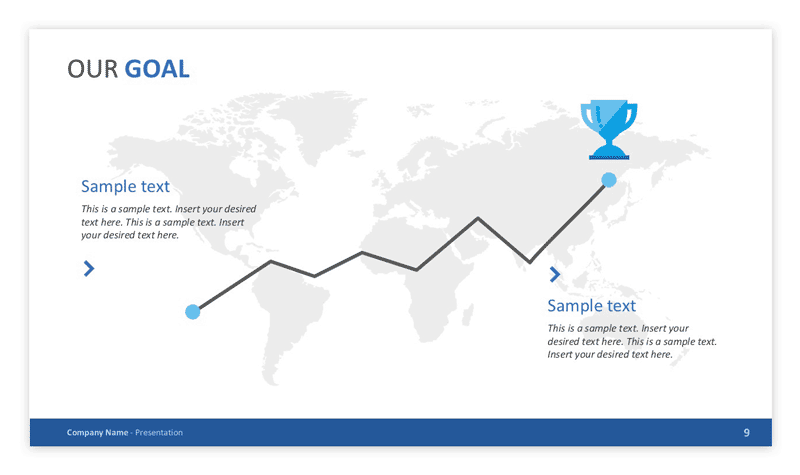 Using SlideModel to Launch and Run Your Business
 From Idea to Launch: Setting Up a Profitable Digital Product in a Weekend
 Building Your Brand: Creating a Strong Identity for Your Homebuilding Business
 Improve Your Business Building Today
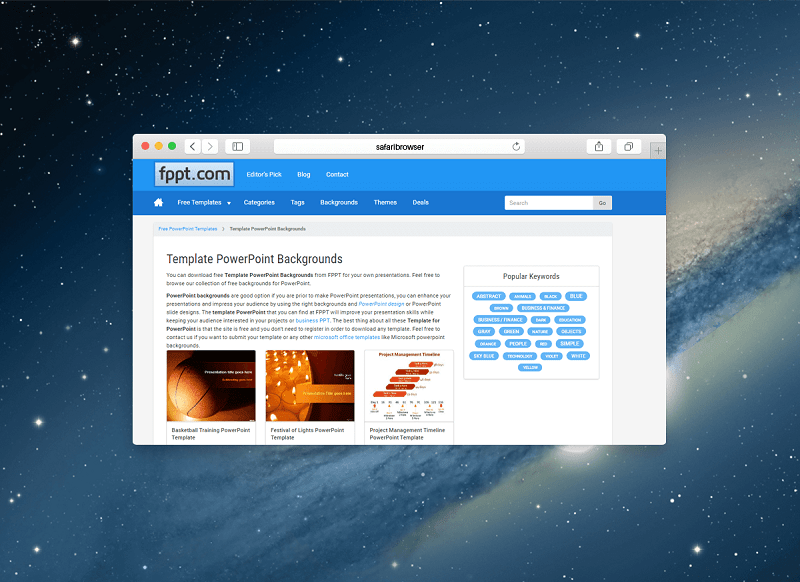 FPPT.com: Thousands of Free PowerPoint Templates for Business Presentations
 Smart Domain Strategies for Passive Income: Building Digital Assets That Last
 The Secret Weapon of Smart Bloggers: Editable Slide Decks That Drive Passive Income
 PR Essentials for Fintech: Building Credibility in a Crowded Market
 Building a Stronger Law Firm Brand
 5 Best Blogger Outreach Tools for Building Relationships
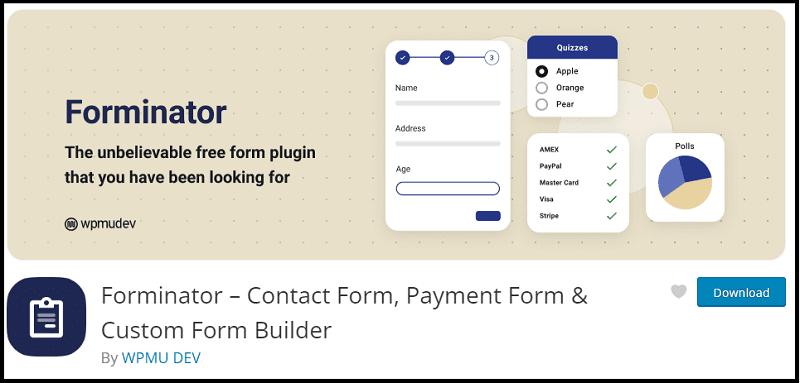 Forminator: The Bulletproof WordPress Plugin for Building Any Type of Form
 Can Team Building Be Done Remotely?
 Commercial Real Estate Investing: Building Wealth Through Diversification
 Building a Strong Financial Foundation: Active vs. Passive Investing
 5 Key Points to Building a Profitable eCommerce Site
 Avoiding Common Mistakes When Applying for Business Funding
 The Role of Casual Browser-Based Games in Building an Audience
 Building Brand Recognition Using SEO
 The Role of Technology in Building a Passive Income Stream
 What Help Options Does Your Business Provide?
 5 Inexpensive Ways to Get Your Business Noticed
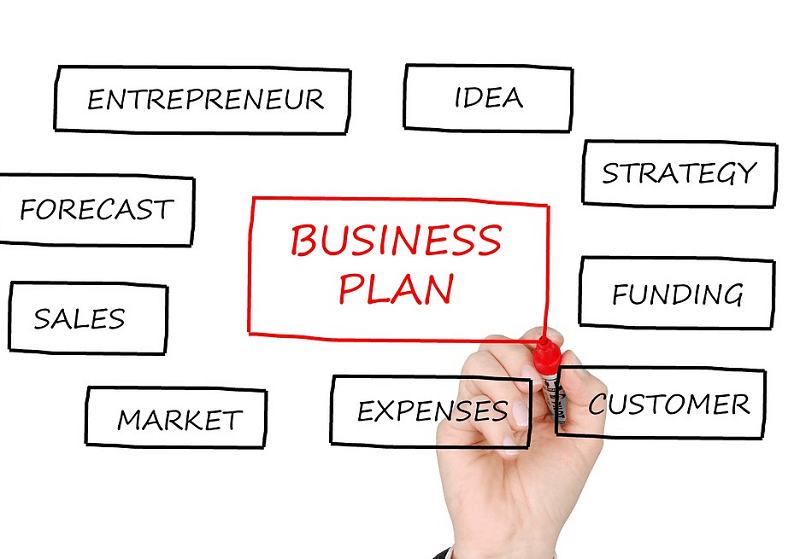 How to Create a Strong Business Plan
 10 Safety Rules For Your First Online Business As A Freelancer
 Beyond Team Building: How ‘Happier Hour’ Fosters Cross-Generational Connection & Lasting Trust
 3 Tips For Balancing Working ON Your Business With Working IN Your Business