SEO dashboards have rapidly transformed from basic information panels to sophisticated platforms crucial for digital marketers and businesses alike. In today’s data-driven environment, access to comprehensive and dynamic SEO dashboard solutions is instrumental for tracking website performance and search engine visibility.
The increasing complexity of search algorithms and user behavior has driven demand for dashboards that deliver more than raw numbers. These tools now integrate advanced analytics, real-time data visualization, and actionable recommendations, empowering organizations to identify opportunities and challenges across their online properties swiftly.
Modern SEO dashboards are not only about collecting numbers. They are about transforming those numbers into meaningful insights that teams can use to drive change. As businesses strive to keep pace in an evolving digital marketplace, these dashboards help ensure that marketing efforts are data-backed and aligned with business goals.
Importantly, these platforms foster collaboration among marketing, content, and technical SEO professionals. This consolidated access to crucial performance indicators and trend analyses enables teams to make quicker, more informed decisions.
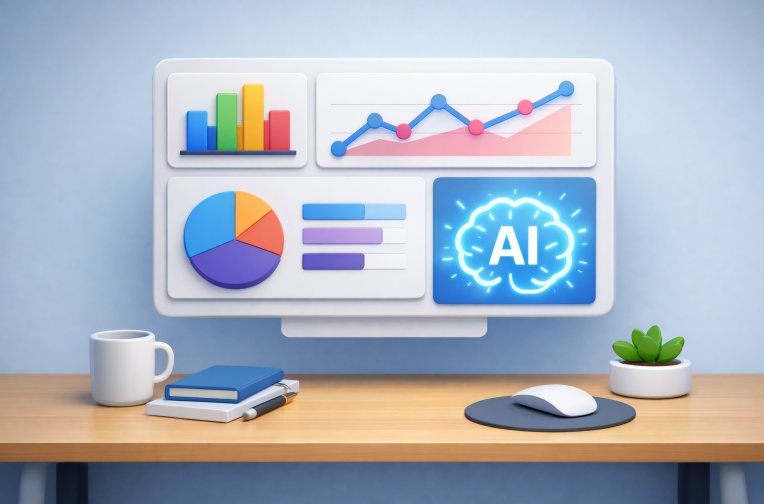
Table of Contents
Evolution of SEO Dashboards
The initial versions of SEO dashboards aggregated data from tools like Google Analytics and Search Console into simple visual representations. With the proliferation of big data and machine learning, the expectations for SEO dashboards have shifted. Now, they unite data from various sources, display interactive reports, and deliver actionable insights in real time. This progression helps marketers adapt swiftly to search engine updates and fluctuations in website performance. According to Search Engine Journal, this evolution has allowed businesses to enhance their digital marketing strategies and react more promptly to market changes.
Key Features of Modern SEO Dashboards
- Real-Time Data Monitoring: Access to the most current website metrics empowers timely decision-making.
- Customizable Reports: Flexibility to highlight key performance indicators specific to a business or campaign.
- Integration Capabilities: Ability to connect seamlessly with other marketing tools such as Google Ads, CRM, and email marketing platforms.
- Predictive Analytics: Use of historical data to forecast future trends and traffic patterns.
- Automated Alerts: System notifications for unexpected changes or anomalies in search rankings or traffic.
The Role of AI in SEO Dashboards
Incorporating artificial intelligence (AI) into SEO dashboards is fundamentally changing how marketers work with data. AI enables these platforms to sift through massive datasets, recognize emerging trends, and provide recommendations tailored to specific goals or market segments. For example, an AI-backed system can detect shifts in user intent or identify high-potential keywords faster than manual analysis. This intelligent analysis extends to backlink assessments, competitor evaluations, and content optimization suggestions, providing a comprehensive support system for marketing efforts.
Benefits of Integrating AI into SEO Dashboards
- Enhanced Data Interpretation: AI can uncover patterns, correlations, and anomalies that might otherwise go unnoticed by human analysts.
- Time Efficiency: By automating repetitive tasks such as rank tracking and reporting, AI frees up time for teams to focus on strategic projects.
- Improved Accuracy: Automated analysis reduces the risk of manual calculation errors, leading to more reliable data-driven decisions.
- Proactive Strategy Development: AI-powered predictive analytics empower organizations to anticipate shifts in user behavior or market trends well in advance.
Real-World Examples of AI-Powered SEO Dashboards
Several innovative companies have set benchmarks in AI-driven dashboard solutions. For example, Reunion Marketing’s KeyLift Dashboard utilizes advanced algorithms to identify and curate high-intent keywords. This automated, data-driven strategy accelerates content development and increases organic visibility. Another reputable platform, Semrush, integrates AI to provide actionable insights into keyword trends, competitive analysis, and technical SEO audits, helping users stay ahead of the competition.
Implementing AI-Driven SEO Dashboards in Your Business
- Assess Your Needs: Detail your business objectives and identify which metrics are most critical to your marketing success.
- Choose the Right Tool: Select a dashboard with features and integrations that align with your company’s operational requirements and goals.
- Train Your Team: Provide adequate training to your staff to maximize the dashboard’s capabilities and foster adoption across marketing and SEO stakeholders.
- Monitor and Adjust: Regularly review and fine-tune your strategies using the dashboard’s insights and predictive analytics to optimize your digital marketing performance continually.
Challenges and Considerations
While AI-powered SEO dashboards offer significant returns, several challenges must be acknowledged. Firstly, ensuring data privacy and regulatory compliance remains paramount as more data is centralized within these platforms. The initial setup and ongoing investment can also be substantial, especially for small to medium-sized enterprises. Furthermore, the complexity of advanced analytics and AI features may require specialized knowledge, making ongoing education or hiring critical for effective use. Industry leaders suggest that partnering with experienced professionals can help bridge these knowledge gaps and accelerate value delivery, as discussed by Forbes.
Conclusion
The modern SEO dashboard is no longer just a reporting tool. With the integration of AI and predictive analytics, these platforms are central to digital marketing strategy, offering efficiency, accuracy, and proactive opportunities for growth. As the digital landscape continues to evolve, businesses that embrace these innovations will maintain a vital competitive advantage, making smarter, faster decisions that drive website visibility and business success.
Wait! Before You Go, Read:
 The Real ROI of Investing in Modern Business Software
 Modern Web Implementation: Best Practices & Strategies
 What Is A Content Creator? (Evolution, Workflow, Strategies)
 AI-Driven Strategies for Data Resilience in Modern Business
 The Best Proposal Software for Modern Businesses
 Modern Advertisement: A Small Guide for Online Entrepreneurs
What is EDI Software and Why It’s Vital for Modern Businesses
Modern Advertisement: A Small Guide for Online Entrepreneurs
What is EDI Software and Why It’s Vital for Modern Businesses
 What Are the Top Features of Claims Tracking Software That Improve Claims Handling Efficiency?
 The Future of Business Operations: AI-Driven Logistics Software
 How Business Energy Costs Impact Your Profit Margin—and What You Can Do About It
 How Entrepreneurs Are Automating Growth and Results
 Know How Your Website Structure Can Impact Your Business Sales?
 The Impact Of A Covid-19 Vaccine On The Financial Markets
 Empowering Small Businesses with Data-Driven Insights: The Benefits of Advisory Consulting
 How Data-Driven Executive Search is Revolutionizing Leadership Hiring
 How Data-Driven Decisions Are Shaping the Future of Digital Marketing
 What Are Bots on TikTok: Understanding Their Impact and Influence
 10 Best Digital Marketing Jobs You Can Do From Home
 Which Distribution Software Is Right for You?
 Tips for Business Owners to Integrate AI Agents for Streamlined Operations
 Why Late Movers are Losing Out on Top AI Optimization Agencies
 How Azure Developers Can Help You Build AI-Powered Solutions
 8 Effective Digital Marketing Tools for your Business in 2023
 How FinTech Utilizes Science for Smarter Financial Decisions
 6 Best Facebook Integrations for Small Businesses