Phones have become part of almost every moment in daily life. People post photos during dinner, share updates after family events, and upload quick thoughts without thinking much about them later. After an accident, though, social media activity can start carrying a different meaning. A single picture or comment may be viewed in ways the injured person never expected. Insurance companies and investigators often pay close attention to online activity during injury claims because they search for anything that may weaken the case.
People searching for an Elmwood Park, NJ, personal injury lawyer are often already dealing with medical stress, insurance calls, and financial pressure after an accident. During that time, social media usually feels harmless, but online activity can quietly affect the direction of a claim. Even a simple tagged photo or cheerful caption may create questions about injuries and recovery. Many victims speaking with an injury lawyer are surprised to learn how often insurance companies review online accounts during investigations.
Table of Contents
1. Photos Can Create The Wrong Impression
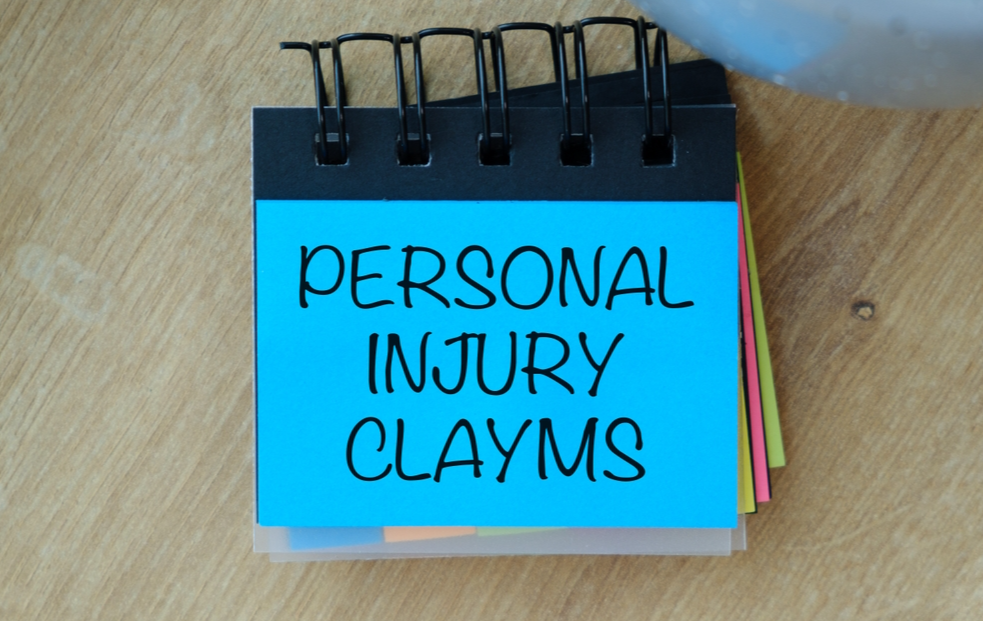
Pictures rarely show the full reality of someone’s physical condition. A person may smile for one family photo while still dealing with pain, medication, and medical treatment every day. Insurance companies may still use that image to argue that the injury is not as serious as claimed.
A short moment captured online can sometimes carry more weight than people realize. Even if the injured person was struggling before and after the photo was taken, the image itself may still be used against them during claim discussions.
2. Comments And Status Updates May Be Misunderstood
People often write casual comments online without thinking carefully about how they sound. Saying things like “feeling much better” or “finally back to normal” may appear harmless during conversations with friends. Insurance companies may interpret those words differently.
Simple updates posted during emotional moments can create confusion later in the case. A sentence written quickly on social media may end up being examined far more seriously than expected.
3. Tagged Posts From Friends Can Also Become A Problem
Not every social media issue comes directly from the injured person. Friends and family members sometimes tag accident victims in photos, events, or celebrations without realizing the possible impact. Even if someone did not upload the content personally, it may still become connected to the claim.
This creates unexpected risks because people cannot fully control what others post online. A relaxed photo at a birthday dinner or outdoor event may raise unnecessary doubts about physical limitations or emotional suffering connected to the accident.
4. Insurance Companies Often Monitor Public Accounts
Insurance companies investigate claims carefully, especially during larger injury cases. Public social media accounts can give investigators easy access to personal updates, photos, travel activities, and conversations. Many people assume insurance companies only review medical records and accident reports, but online activity has become another common part of investigations.
Some investigators may review months or even years of public posts looking for information that may reduce the value of a claim. This is one reason why personal injury cases today feel far more connected to digital activity than ever before.
5. Deleted Content Can Sometimes Raise More Questions
After learning about social media risks, some people immediately start deleting posts and photos connected to their accounts. Unfortunately, sudden changes to accounts may sometimes create additional concerns during legal disputes. Removed content may still exist through screenshots or saved records.
Trying to erase large amounts of information quickly can make insurance companies more suspicious about what was removed and why. Careful decisions matter because online activity often leaves a lasting digital trail.
How Can You Deal With Social Media Risks After An Accident?
Social media does not always need to disappear completely after an accident, but people should become more careful about online activity during injury claims. Small habits can help reduce unnecessary complications later.
Some important steps include:
- Avoid posting accident details online
- Stay careful with photos and public check-ins
- Review privacy settings regularly
- Ask friends not to tag or mention you online
- Think carefully before sharing personal updates
Many personal accident victims in Elmwood Park, NJ, do not realize how closely social media activity may be examined until problems begin appearing in the claim process. Staying cautious early can help avoid misunderstandings later.
Looking Beyond The Screen
Accident claims already carry enough pressure through medical treatment, financial stress, and recovery challenges. Social media can quietly add another layer of difficulty if online activity creates the wrong impression about someone’s condition. Personal injury cases are often shaped by details people never expected would matter. A simple post, photo, or comment can suddenly become part of a much larger discussion surrounding an accident claim and its outcome, which is why many people eventually seek guidance from an Elmwood Park, NJ personal injury lawyer before making important decisions.
Wait! Before You Go, Read:
 How Subrogation Claims Affect Your Personal Injury Settlement
 8 Key Factors That Influence Workplace Accident Injury Claims in Injury Settlements
 A Beginner’s Guide to Filing a Personal Injury Claim After a DUI Accident
 A Reliable Car Accident Attorney Can Help You with Injury Claims with Pre-Existing Conditions
 The Losses That Must Be Included in the Ideal Personal Injury Settlement
 A Guide to Dealing with Insurance Adjusters During a Personal Injury Claim
How to Use Your Illinois Car Accident Report in Insurance Claims
A Guide to Dealing with Insurance Adjusters During a Personal Injury Claim
How to Use Your Illinois Car Accident Report in Insurance Claims
 How to Handle Liability and Insurance Claims in Brake Checking Accidents
 Why Fatal Accident Claims Require Compassionate Legal Guidance
 What Are the Top Features of Claims Tracking Software That Improve Claims Handling Efficiency?
 5 Mistakes to Avoid When Filing a Compensation Claim after a Car Accident in Calgary
 Dealing With Insurance After an Atlanta Car Accident With Help From Hasner Law
 Why Do So Many Oil Field Injury Investigations in North Dakota Start With Missing Maintenance Records?
 Measures Lawyers from The AP Law Group Take to Protect Their Clients
 Common Mistakes That Can Lower Your Missouri Car Accident Settlement
 The Pros & Cons Of Using Social Media In Multinational Campaigns
 SMhack: The All in One Social Media Managing Tool
 How to File a Claim After a Jackknife Truck Accident in Florida
 Streamlining Dental Insurance Claims for Faster Payments
 Prospects of Using Business Account in Entrepreneurial Activity
 How a Lawsuit Can Affect Your Online Business
 The Most Common Types of Premises Liability Claims
 10 Free Online Tools to Monitor Your Social Media Influence
 You’re Probably Overlooking These 5 Business-Friendly Social Media and Directory Sites
 3 Simple Tips to Promote Your Blog on Social Media