Brake checking—intentionally slamming on the brakes to startle or intimidate a tailgating driver—is a dangerous maneuver that often leads to rear-end collisions. While some drivers use it to discourage aggressive tailgating, this reckless behavior significantly increases crash risks.
In Washington State, brake checking is illegal and considered a form of aggressive driving. Under RCW 46.61.425, drivers must maintain safe speeds and avoid sudden stops without proper cause. Violations can result in citations for negligent driving, with fines up to $559, and may even lead to reckless driving charges in severe cases. If you’re wondering, “Is brake checking illegal in Washington state?” the answer is clear: yes, and it can carry serious penalties.
If you’ve been involved in a brake-checking accident, understanding liability and insurance claims is critical. This guide will help you navigate fault determination, evidence collection, and securing fair compensation.
Table of Contents
Understanding Liability in Brake-Checking Accidents
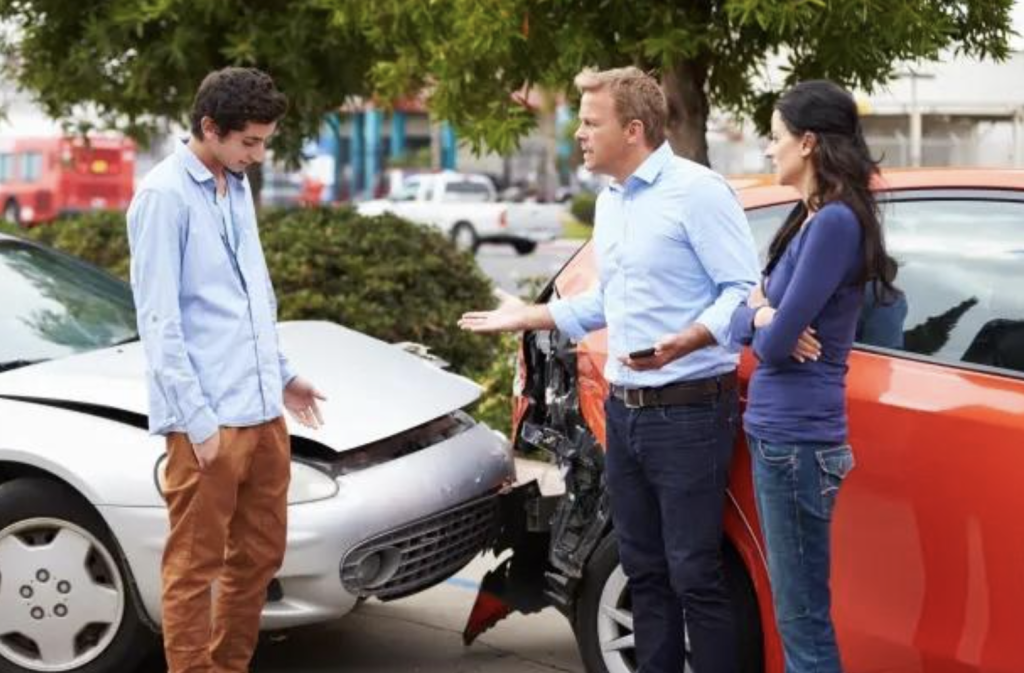
When involved in a brake-checking accident, determining liability (who is at fault) is the first step toward addressing insurance claims and potential legal proceedings. In most cases, the driver who initiated the brake check can be held responsible for the resulting accident. However, the situation can become more complex if the tailgating driver was engaging in aggressive driving or was following too closely.
Fault in Rear-End Collisions
In rear-end collisions, the general rule in traffic law is that the following driver is presumed to be at fault. This is because drivers are expected to maintain a safe distance between vehicles to allow for sudden stops or changes in traffic conditions. However, if the leading driver intentionally slams on the brakes to startle the following driver, this can shift liability. In such cases, the driver who performed the brake check could be held responsible for causing the crash.
According to Washington State law (RCW 46.61.145), drivers must not follow another vehicle more closely than is reasonable and prudent, given the conditions of the road. If the tailgating driver was already too close, they may share partial responsibility for the accident. However, this does not absolve the brake-checking driver of responsibility for initiating the dangerous maneuver.
Collecting Evidence After the Accident
Gathering evidence is crucial in any accident, but it is especially important in brake-checking incidents where determining fault can be more nuanced. Here are some key steps to take:
- Document the Scene: Take photos of the vehicle damage and any relevant road conditions. If there are skid marks, traffic signs, or any other physical evidence of the brake check, capture those as well.
- Witness Statements: If there are any witnesses to the accident, ask for their contact information and statements. Their testimony can support your version of events, especially if they saw the brake-checking driver intentionally slam on their brakes.
- Police Report: File a police report, even if the accident seems minor. The police will document the incident; their report can be valuable when determining fault. They may also issue citations for traffic violations, such as reckless driving or negligent driving.
- Dashcam Footage: If you or the other driver has a dashcam, this footage can be invaluable in showing the events leading up to the accident. Dashcam videos can serve as objective evidence supporting your brake-checking claim.
Insurance Claims Process for Brake-Checking Accidents
Once liability is established, the next step is to file insurance claims. In Washington State, as in most states, the driver at fault for the accident is typically responsible for covering the damages. If the brake-checking driver is found at fault, their insurance should cover the damage to your vehicle and any medical expenses you incur.
- Contact Your Insurance Provider: Notify your insurance provider immediately after the accident. Even if the other driver is at fault, your insurer can assist in filing the claim with their insurance company. They may also help cover your medical expenses and vehicle repairs upfront if you have collision coverage.
- Liability Insurance: In Washington, drivers are required to carry liability insurance, which covers damages to other vehicles or individuals when they are at fault. If the brake-checking driver’s liability coverage is insufficient or if they are uninsured, your own uninsured motorist coverage may help cover the damages.
- Medical Payments Coverage: Washington is a no-fault state when it comes to personal injury protection (PIP), meaning that your own insurance company will cover your medical expenses up to your PIP limits, regardless of who is at fault. However, if the brake-checking driver is found liable, their insurance could eventually reimburse your medical costs.
- Negotiating with the Insurer: Insurance companies will often attempt to minimize payouts. Be prepared to negotiate, and if necessary, provide evidence that the other driver was at fault. Documentation such as witness statements, police reports, and photographs can be crucial in these negotiations.
Potential Legal Actions
If you are unable to reach a fair settlement with the insurance companies or if the brake-checking driver is not adequately covered by insurance, you may need to consider legal action. In cases where the brake-checking behavior was extreme or intentional, a personal injury lawsuit might be warranted.
Under Washington State’s civil negligence laws (RCW 4.22.005), you can seek compensation for medical expenses, lost wages, pain and suffering, and other damages resulting from the accident. Consult with a personal injury attorney if you believe the brake-checking driver’s actions were reckless and caused harm.
Contributory Negligence and Shared Responsibility
In some cases, both drivers might share responsibility for the accident. For example, if the tailgating driver was driving aggressively or violating traffic laws by following too closely, they may be partially at fault.
Washington State follows a comparative negligence rule (RCW 4.22.005), meaning that damages can be divided based on each party’s percentage of fault. If you are found partially responsible, your compensation may be reduced by your percentage of fault.
For instance, if the brake-checking driver is found 80% at fault, but the tailgating driver is found 20% at fault for following too closely, the tailgating driver’s compensation may be reduced accordingly.
Protecting Yourself in Brake-Checking Accidents
Brake-checking accidents can be complex, but understanding your rights and responsibilities will help you navigate the process of liability and insurance claims. Always collect evidence, follow the proper steps when filing claims, and consult a legal professional if necessary. Doing so ensures you are appropriately compensated for damages and injuries caused by this reckless driving behavior.
Wait! Before You Go, Read:
 How to Use Your Illinois Car Accident Report in Insurance Claims
 What is an SR-22 Insurance and Who Needs it?
 The Most Common Types of Premises Liability Claims
 When Does a Claim Fall Under Strict Liability?
 When is the Rideshare Company Held Liable for an Accident?
 How to File a Claim After Being Hit by a Distracted Driver
 Dealing With Insurance After an Atlanta Car Accident With Help From Hasner Law
 How to File a Claim Against an Insurance Company for Emotional Distress
 A Beginner’s Guide to Filing a Personal Injury Claim After a DUI Accident
A Reliable Car Accident Attorney Can Help You with Injury Claims with Pre-Existing Conditions
A Beginner’s Guide to Filing a Personal Injury Claim After a DUI Accident
A Reliable Car Accident Attorney Can Help You with Injury Claims with Pre-Existing Conditions
 The Financial Consequences of Being Involved in a Head-On Collision
 How to File a Claim After a Jackknife Truck Accident in Florida
 The Impact of Your Driving History on Insurance Rates: What You Need to Know
 How Subrogation Claims Affect Your Personal Injury Settlement
 5 Mistakes to Avoid When Filing a Compensation Claim after a Car Accident in Calgary
 The High Price of Speeding: Legal and Financial Consequences
 Common Mistakes That Can Lower Your Missouri Car Accident Settlement
 Some Reasons Why Allstate is Considered One of the Worst Insurance Companies
 The Tricks Insurance Adjusters Use to Reduce Compensation in a PI Case
 Compensation You Can Get After Being Run Over
 How Long Does It Take to Get Compensation for Fractured Sternum?
 A Guide to Dealing with Insurance Adjusters During a Personal Injury Claim
 Streamlining Dental Insurance Claims for Faster Payments
 What Are the Top Features of Claims Tracking Software That Improve Claims Handling Efficiency?
 The Various Types of Damages You Can Get Compensated for Under PI Law