With its accessibility and simplicity for millions of customers, rideshare services have evolved into a necessary component of contemporary transportation. Still, accidents involving these services can raise difficult liability issues. The situation surrounding the accident will help one decide whether a rideshare firm, such as Uber or Lyft, is liable.
Rideshare accidents can be quite severe; hence, it’s important to know who is liable. If you or someone you know has been hurt in such a situation, getting in touch with a rideshare accident lawyer who can help you understand your legal options is crucial.
Let’s look at the situations when a rideshare company could be liable.
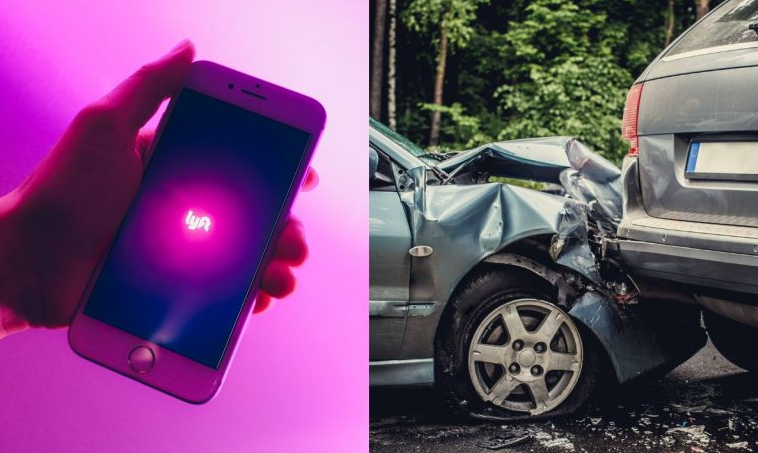
Table of Contents
When the Rideshare Company Could be Held Liable
Under some circumstances, regardless of the driver’s status, a rideshare company can be held directly liable for accidents. Usually, this occurs due to the company’s own negligence or failure to meet safety regulations leading to the event. Here are some of such situations:
Failure to Conduct Adequate Background Checks
Rideshare firms owe it to their drivers to make sure they meet certain safety and reliability requirements. Should a corporation let drivers with DUI convictions, bad driving records, or other criminal records operate on their platform, it would be perceived as neglecting passenger and public safety. For instance, an accident caused by a driver with several traffic offenses on their record could indicate the poor screening procedures of the organization.
Negligent Hiring Practices
If a rideshare company intentionally employs drivers without necessary credentials or fails to meet legal requirements, it may also be held liable. This can include letting these categories of drivers work on their platform:
- Unlicensed drivers
- Adequate insurance
Such mistakes make the company legally liable for resulting damages since they might endanger others on the road as well as the passengers.
Faulty Technology or App
To coordinate rides and guarantee efficiency, rideshare companies mostly rely on their apps and underlying technologies. But if these systems fail—that is, if they give incorrect GPS directions or malfunction at key times—they might cause accidents. For example, the company can be liable for the subsequent accident if a vehicle follows wrong GPS directions that result in a dangerous or illegal maneuver. Such situations emphasize the importance of maintaining a strong, reliable, and safe technology infrastructure.
Additional Scenarios of Liability
Apart from the more obvious cases of negligence, ridesharing businesses could share or be liable in other circumstances involving external variables or third parties. These cases underline the complicated interaction between several parties and situations that could affect legal responsibility.
Defective Vehicle Maintenance
Many times, rideshare businesses depend on their drivers to keep their cars in roadworthy shape. On the other hand, the corporation can be partially liable for accidents should it neglect to check or approve vehicles with obvious defects. For instance, should a driver’s car be approved despite worn-out brakes or defective tires and an accident occurs, the rideshare company may be held liable for failing its obligation to guarantee safety standards. This emphasizes the need for strict vehicle inspection procedures to reduce hazards for other road users as well as for passengers.
Shared Fault with Another Party
In situations involving other people, rideshare companies may also have shared liability. For example, should another motorist’s reckless driving cause the accident, the ridesharing firm and the driver could be found partially liable. Likewise, liability might cover a municipality should the accident occur due to:
- Broken traffic lights
- Insufficient signage
- Bad road conditions
Under these circumstances, the degree of fault ascribed to the rideshare firm depends on assessing its particular involvement in the incident, including neglect of known hazards or insufficiently screened drivers.
Wait! Before You Go, Read:
 The Most Common Types of Premises Liability Claims
 5 Mistakes to Avoid When Filing a Compensation Claim after a Car Accident in Calgary
 How to Handle Liability and Insurance Claims in Brake Checking Accidents
 How to File a Claim After a Jackknife Truck Accident in Florida
 When Does a Claim Fall Under Strict Liability?
 The High Price of Speeding: Legal and Financial Consequences
 A Reliable Car Accident Attorney Can Help You with Injury Claims with Pre-Existing Conditions
 A Beginner’s Guide to Filing a Personal Injury Claim After a DUI Accident
How to Use Your Illinois Car Accident Report in Insurance Claims
A Beginner’s Guide to Filing a Personal Injury Claim After a DUI Accident
How to Use Your Illinois Car Accident Report in Insurance Claims
 The Financial Consequences of Being Involved in a Head-On Collision
 Common Mistakes That Can Lower Your Missouri Car Accident Settlement
 The Losses Included in the Ideal Pedestrian Accident Settlement
 What is an SR-22 Insurance and Who Needs it?
 How to File a Claim After Being Hit by a Distracted Driver
 Dealing With Insurance After an Atlanta Car Accident With Help From Hasner Law
 What You Need to Know Before Accepting a Car Accident Settlement
 Types of Business Insurance Every Entrepreneur Should Consider
 The Impact of Your Driving History on Insurance Rates: What You Need to Know
 Why Should I Change From Sole Trader to Limited Company?
 How to File a Claim Against an Insurance Company for Emotional Distress
 Compensation You Can Get After Being Run Over
 The Tricks Insurance Adjusters Use to Reduce Compensation in a PI Case
 Streamlining Your Business with Cyprus Company Formation Services
 Top Benefits of Partnering with an HR Outsourcing Company
 Why Investing in Workplace Safety Can Save Your Small Business Money in the Long Run