Owning a car can take a surprisingly large amount out of your monthly income. Finance payments are only the beginning, with fuel, insurance, maintenance, repairs, and depreciation all contributing to the real cost of keeping a vehicle.
Fortunately, reducing these expenses does not necessarily mean giving up your car. A few practical changes can leave more of your income available for savings, bills, or everyday spending. Here are five areas worth considering.
Table of Contents
1. Review Your Finance and Insurance
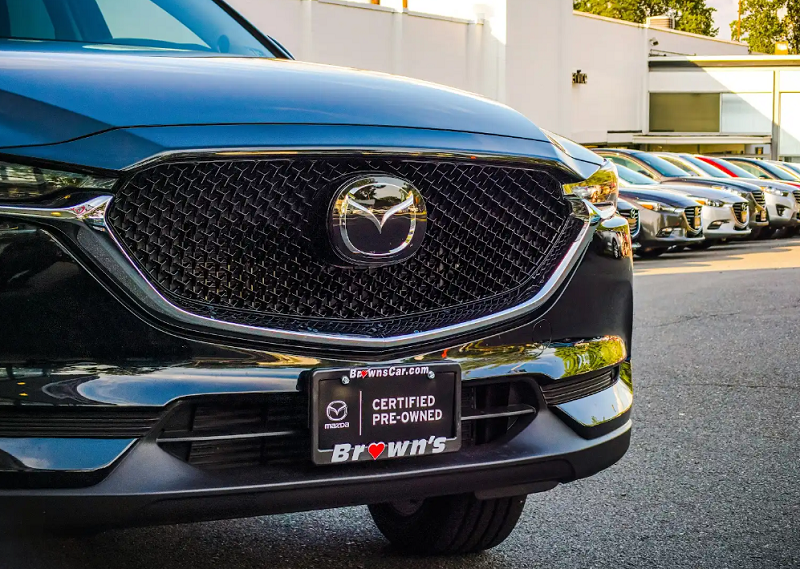
If your car is financed, start by looking at exactly how much you are paying each month and how long remains on the agreement. Depending on its terms and your circumstances, paying it off early or eventually switching to a less expensive vehicle could reduce your monthly commitments.
Insurance is another expense worth reviewing. Compare prices when your policy approaches renewal rather than automatically accepting the renewal quote. Make sure any alternative provides the level of coverage you actually require rather than focusing solely on the lowest premium.
2. Reduce Your Fuel Spending
Small changes in driving habits can add up over a year. Smooth acceleration, anticipating traffic, and avoiding unnecessary idling can all help reduce fuel consumption. Combining several errands into one journey can also cut mileage. Instead of making separate trips to the supermarket, post office, and other destinations throughout the week, consider whether they can be completed during the same outing. Keeping tires at the manufacturer’s recommended pressure can also support efficient fuel consumption.
3. Consider Transport Instead of a Long Drive
Occasionally, saving money means looking beyond the obvious cost of fuel. If you need to move a vehicle a significant distance, compare the full expense of driving it yourself with having it transported.
If you need to transport cars to Sacramento, for example, a transportation marketplace can provide quotes from providers interested in the journey. This gives you an opportunity to compare the transportation cost with driving yourself.
For a long journey, calculate fuel alongside potential accommodation, meals, tolls, and the value of your time. Vehicle mileage and wear should also be considered. Depending on the route and quotes available, transportation may sometimes provide the more practical overall option.
4. Stay Ahead of Maintenance
Skipping routine maintenance can seem like an easy way to save money, but neglected problems can become considerably more expensive. Follow the manufacturer’s maintenance schedule and pay attention to changes in how the vehicle behaves. Unusual noises, warning lights, or changes in handling are generally better investigated early.
There are also simple checks many owners can perform regularly, including monitoring tire pressure and fluid levels. Preventative maintenance can help keep a vehicle reliable while reducing the risk of avoidable repair bills.
5. Reconsider How Much Car You Need
Your current vehicle may cost more than your lifestyle actually requires. A large or powerful car can mean higher fuel, insurance and maintenance expenses even if most journeys involve one person travelling short distances. When it is eventually time to replace your vehicle, consider your genuine everyday requirements. A smaller or more economical model may substantially reduce ongoing costs. You might also consider whether your household needs multiple cars, particularly if public transportation, cycling, walking or car sharing can cover some journeys.
Keep More of What You Earn
Increasing disposable income does not always require earning more money. Reducing recurring expenses can have a similar effect. Even relatively modest monthly savings can become meaningful when maintained year after year, so give these ideas a go and see how much you can save.
Wait! Before You Go, Read:
 Ways to Save Money on Car Expenses
 How Smarter Transport Choices Can Save You Money
 How Much Does Life Insurance Really Cost? A Real-World Guide
 How Subrogation Claims Affect Your Personal Injury Settlement
 Investment or Expense? Analyzing the Cost-Effectiveness of Upgraded Rear Leaf Springs
 Minimum Tenure Personal Loans: Are They the Best Fix for Urgent Needs?
 The Losses That Must Be Included in the Ideal Personal Injury Settlement
 Is The High Food Cost Of Your Restaurant Business Eating Up Your Profits?
 Reducing Conflict Through Transparency
 Improving Your Home Life to Boost Financial Growth
 6 Tips for Choosing the Best Personal Finance App
 10 Best Personal Finance Apps
 A Guide to Dealing with Insurance Adjusters During a Personal Injury Claim
 A Beginner’s Guide to Filing a Personal Injury Claim After a DUI Accident
 How Go Go Gold Can Boost Your Online Income Strategy
 How Technology Can Help Your Personal Finance
 Top Six Benefits of Choosing Title Loans
 5 Benefits and Drawbacks of Personal Finance Apps
 Steps to Take After Your Long-Term Disability Claim Is Denied by Manulife
 The Impact of Your Driving History on Insurance Rates: What You Need to Know
 5 Hacks You Can Try to Increase Your Chances of Getting Approved for a Personal Loan
 How to Handle Liability and Insurance Claims in Brake Checking Accidents
 Building a Strong Financial Foundation: Smart Ways to Start Saving Today
Navigating the World of Life Insurance as New Parents
Building a Strong Financial Foundation: Smart Ways to Start Saving Today
Navigating the World of Life Insurance as New Parents
 The High Price of Speeding: Legal and Financial Consequences