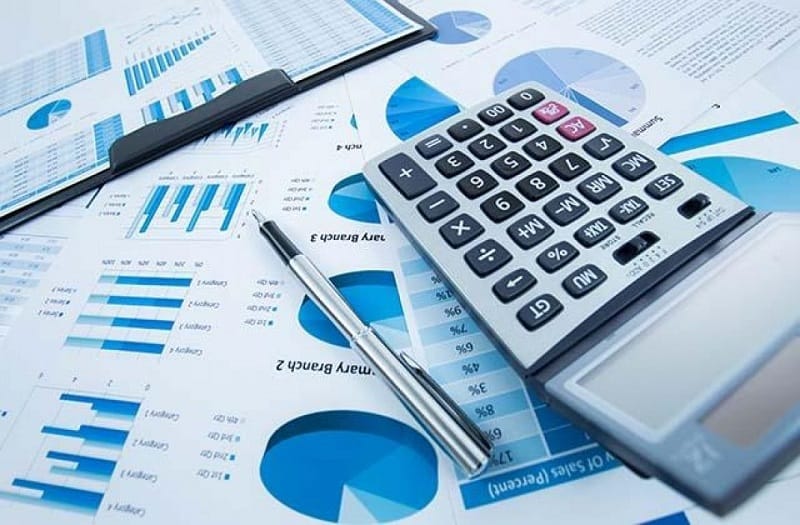
Forex trading seems like an activity governed by charts, news, and intuition, but often enough, simple numbers act as a great base for logical and effective decision-making. Learning how to trade forex using math is a great way to substitute your intuition with logical rules. The application of math to the forex trading process can bring order and consistency through risk calculations, trend detection, and proper target setting. This article explains how, through the consistent use of simple mathematical rules, you can develop a good risk management system and make better decisions.
Here are tips for using numbers to improve your strategy:
Table of Contents
Use The “Rule of 3” To Prioritize Ruthlessly

The Rule of 3 can help traders avoid being overloaded with too much information. Instead of focusing on too many different indicators, traders can stick to three important factors: trend, entry, and risk. For instance, you can study the general trend, wait for a proper entry point, and determine the maximum amount of loss you can tolerate before placing the order. Such an approach will make the process of learning how to trade forex using math more convenient since every order contains some measurable values.
Use the 80/20 Principle to Know When Leverage Makes Sense.
The principle of 80/20 states that a small percentage of actions always lead to a high percentage of the outcome achieved. Forex traders can take advantage of this principle and determine the setups, currency pairs, or trading hours that have always worked for their method. However, you must always trade with caution, as increased leverage will multiply not only the profit but also the potential loss. Understanding how to trade forex using math means considering losses.
Create “Threshold Triggers” for Trading Decisions.
Numbers define thresholds that keep you from making impulsive decisions. A threshold trigger is the level or number that determines what kind of action a trader will take. You can use many other triggers, such as daily losses and percentages of movements, among others. This makes it easier when learning how to trade forex using math. To get access to a loyalty program, competitive trading conditions, payment systems, and a 24/7 support system, you can check out here.
Apply “Count-Back Planning” to Reverse Your Timeline.
“Count-back planning” starts with an objective and works backward. It allows you to set realistic goals for yourself as you learn how to trade forex using math. If you want to increase your capital by 10% in a certain period of time, then you can figure out the approximate return per week or month needed. In this way, you will know if your goal is realistic without taking any unnecessary risks. It is also a tool that encourages patience. Do not ask how fast you can earn; just ask how much performance is necessary.
“Single Number” Weekly Review
Weekly reviews do not have to be done in complex spreadsheets. Identify trading forex with math with one number. It could be your average risk/reward ratio, percentage of winning trades, average loss, or maximum drawdown. Keeping tabs on one figure in particular will help you identify any weaknesses that may otherwise go unnoticed. After several weeks, these figures will indicate whether or not your system is getting better or whether changes should be made. It is one of the easiest ways to learn how to trade forex using math.
Conclusion
There isn’t anything that mathematics can’t tell us about every single movement of the currency market; however, using math to trade forex can help you develop self-discipline in times of uncertainty. You will be able to come to your decisions logically, using percentages, ratios, thresholds, and calculations. Learning how to trade forex using math is intended to manage risks. Once numbers are brought into the trading process, you will be able to analyze options rationally, keep your money safe, and devise a strategy based on consistent performance.
Wait! Before You Go, Read:
 Forex Risk. How to Calculate Your Returns
 Key Factors That Affect Forex Liquidity and Market Stability
 What Kind of Assets Can You Trade Using Candlestick Patterns?
 Trading Tips For Beginners
 Is Funding the Right Strategy for Your Trading Journey?
 11 Trading Tips and Tricks for Mastering the Market
 How to Compare Forex Brokers: Key Features to Consider
Prop Firm Trading and Taxation: What You Need to Know
How to Compare Forex Brokers: Key Features to Consider
Prop Firm Trading and Taxation: What You Need to Know
 The Biggest Benefits of CFD Trading
 Why Execution Speed Isn’t Everything: The Overlooked Latency Layer in Forex VPS Performance
 What Does Consistency Look Like In Numbers? See It Through An Sip Calculator
 6 Tips to Choose an Educational Trading Platform
 10 Best Prop Trading Firms for Aspiring Traders
 11 Trading Strategies You Should Consider for Success
Which Trading Platforms Are Best for Beginners Joining Prop Firms?
11 Trading Strategies You Should Consider for Success
Which Trading Platforms Are Best for Beginners Joining Prop Firms?
 Why Speed is the Most Underrated Advantage in Today’s Stock Market?
 Nueva Wealth Reviews 2025: How Are Traders Making It Work?
 How to Use Advanced Trading Platforms for Prop Firm Trading
 Services With Virtual Numbers For Creating A Linkedin Account
 How Real-Time Data Can Help You With Better Trading Decisions
 The Canadian Trader’s Edge: Why Many Brokers Accept Canadians and Allow Crypto Trading
Making Money from Social Trading – Here’s How to Get Started
The Canadian Trader’s Edge: Why Many Brokers Accept Canadians and Allow Crypto Trading
Making Money from Social Trading – Here’s How to Get Started
 Calculated Risks: What Jhandi Munda Can Teach You About Strategy and Probability
 How to Pick the Perfect Prop Firm Challenge to Level Up Your Trading
 The Independent Trader’s Guide to Prop Firms without Evaluations