Maintenance paperwork usually stays in the background until a serious accident brings it into focus.
After an oil field injury, investigators often begin by asking for records that show how equipment was inspected, repaired, and maintained over time. These files can reveal details that are easy to forget after a stressful event. In North Dakota, heavy equipment works under tough conditions every day, which makes regular upkeep important. That is one reason oilfield accident attorneys in North Dakota often pay close attention to maintenance history.
Missing records do not always point to wrongdoing, but they can create questions that take time to answer and may affect the direction of an investigation.
Table of Contents
The First Questions Often Focus on the Equipment, Not the Injury
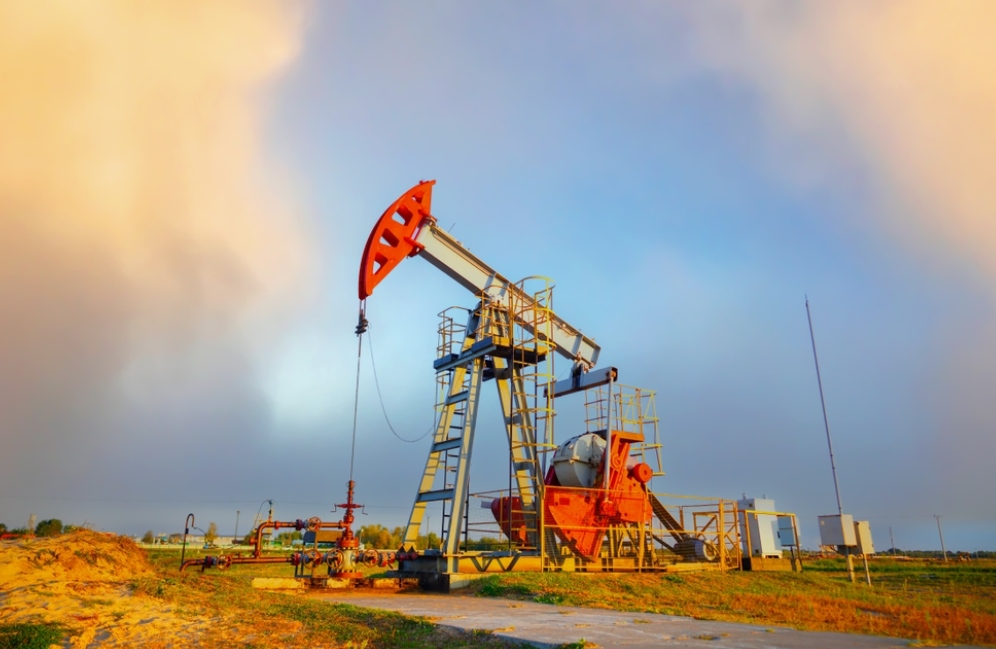
Many people assume an investigation begins with the injury itself. In reality, attention often turns to the machine involved. Investigators want to know whether equipment problems existed before the incident. A history of repairs, inspections, and service requests can provide useful information. Missing records make that process harder because they leave gaps in the timeline.
What Counts as a Maintenance Record on an Oil Field Site?
Inspection Checklists and Repair Logs
Routine inspections help companies track the condition of machinery. Repair logs show when parts were replaced and why service was needed. These records may reveal patterns that point to repeated problems.
Service Reports From Outside Vendors
Outside maintenance companies sometimes handle specialized repairs. Their reports may contain details that are not included in internal files. These documents can help explain how the equipment performed before an accident.
Digital Tracking Systems and Work Orders
Many companies use electronic systems to record maintenance activities. Work orders, service requests, and updates can create a timeline that shows how issues were handled. Information related to evidence law often highlights the value of keeping accurate records.
Why Missing Records Raise Immediate Concerns
Missing documents do not always mean they were destroyed. Sometimes records are misplaced or never completed. Even so, missing information creates uncertainty. Investigators may struggle to determine whether warning signs existed before the incident.
Another concern involves timing. If one inspection appears in the files but the next one does not, questions naturally arise. Small gaps can become important when people try to understand how an accident happened.
Equipment Problems That Often Lead Investigators Back to Maintenance Files
Pump and Hydraulic Failures
Hydraulic systems and pumps handle demanding work every day. Wear and tear can develop over time. Maintenance records may show whether earlier problems had already been identified.
Vehicle and Transportation Equipment Issues
Oil field trucks and support vehicles travel long distances. Brake systems, tires, and steering components require regular attention. Records can help explain whether mechanical concerns played a role.
Defective Safety Devices and Alarms
Safety systems are designed to reduce danger. If alarms or emergency shutoff devices fail, maintenance files may reveal whether previous issues had been reported.
Wear and Tear That Was Not Addressed
Some equipment problems develop slowly. Delayed repairs or repeated complaints may become important details during an investigation.
How Routine Repairs Can Accidentally Remove Important Evidence
Repairs often happen quickly because work needs to continue. Unfortunately, replacing damaged parts too soon can remove valuable evidence. Once equipment changes, it becomes harder to understand its original condition.
Photographs, inspection reports, and damaged components may help preserve information. Timing matters because evidence can disappear faster than many people realize.
Looking Beyond One Company
Oil field sites usually involve several businesses. Contractors, subcontractors, manufacturers, and maintenance providers may each hold different records. No single company always has the complete picture.
Gathering documents from multiple sources can take time. Different systems and reporting methods may create challenges during the investigation process.
Why Small Documentation Gaps Can Create Big Questions
Missing dates, incomplete notes, and conflicting reports may seem minor. Yet those details can affect how events are understood later. A repair request entered into one system might not appear in another. Delayed communication can create confusion about whether a problem was ever fixed.
Conclusion
Maintenance files represent only one part of the story. Witness statements, photographs, operating logs, and other records help fill in missing pieces. Looking at these details together often provides a better understanding of what happened.
Because serious accidents involve many moving parts, investigators rarely rely on a single document. That is why oilfield accident attorneys in North Dakota often begin by searching for records that may reveal events that started long before the injury itself. Sometimes the smallest details hidden inside old maintenance files tell the most important part of the story.
Wait! Before You Go, Read:
 8 Key Factors That Influence Workplace Accident Injury Claims in Injury Settlements
 Why Social Media Activity Can Affect Injury Claims in Elmwood Park, NJ
 A Beginner’s Guide to Filing a Personal Injury Claim After a DUI Accident
 The Losses That Must Be Included in the Ideal Personal Injury Settlement
 A Guide to Dealing with Insurance Adjusters During a Personal Injury Claim
 A Reliable Car Accident Attorney Can Help You with Injury Claims with Pre-Existing Conditions
 How Subrogation Claims Affect Your Personal Injury Settlement
 Web Maintenance: 7 Things That Should Be In Your Checklist This Time
 Why Your Uber Trip History Becomes the Strongest Witness in an Accident Case
 5 Reasons Why ABC Law Centers Remains the Go-To for Birth Injury Cases
 Dealing With Insurance After an Atlanta Car Accident With Help From Hasner Law
 How to Prove Lost Wages and Loss of Earning Capacity
 How Long Does It Take to Get Compensation for Fractured Sternum?
 5 Best Pieces of Financial Advice for Every Start-Up
 How to File a Claim After a Jackknife Truck Accident in Florida
 What Victims Don’t Expect After a Drunk Driving Accident in Southfield, MI
 5 Mistakes to Avoid When Filing a Compensation Claim after a Car Accident in Calgary
 Digital Transformation for Manufacturing SMEs: Where to Start (And What to Avoid)
How to Use Your Illinois Car Accident Report in Insurance Claims
Digital Transformation for Manufacturing SMEs: Where to Start (And What to Avoid)
How to Use Your Illinois Car Accident Report in Insurance Claims
 How to Make a Rental Property a Hands-Off Investment
 How to File a Claim After Being Hit by a Distracted Driver
 How New Small-Scale Industries Can Limit Their Carbon Footprint from the Start
 Hurdles You Might Face When Trying to Get Compensation For Economic Damages
 Measures Lawyers from The AP Law Group Take to Protect Their Clients
 Low-Cost Business Ideas To Start Your Online Entrepreneurial Journey In 2024