A thin line of water creeping across a ceiling or a soft patch forming near a wall often feels harmless at first glance, almost like something that can wait for another day.
The surface tells a simple story, but the inside of a home rarely agrees with what the eyes catch in the moment. Moisture has a quiet way of moving beyond what looks visible, settling deeper into spaces that are not easy to notice.
This gap between appearance and reality often becomes confusing for homeowners, especially when early decisions are based only on what can be seen, where an attorney for water damage claims sometimes becomes part of the conversation.
Table of Contents
What Water Damage Looks Like at First Glance
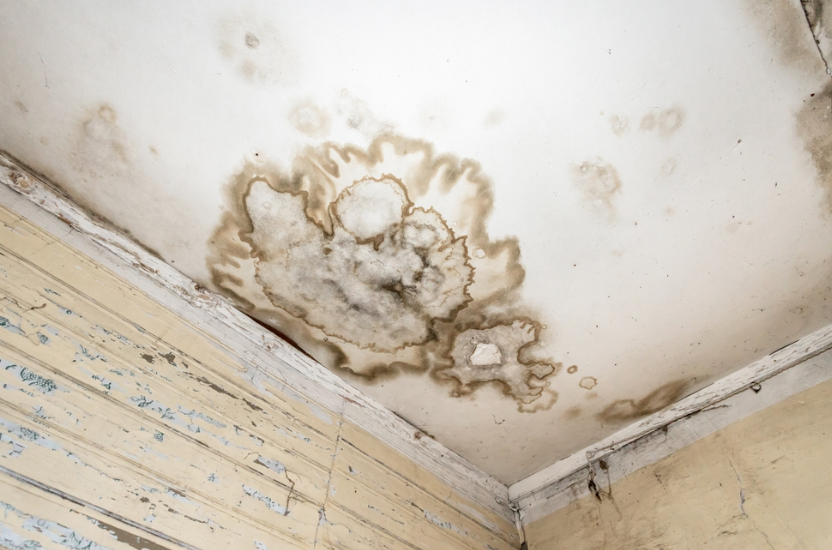
Water damage usually starts in ways that feel small and manageable. A ceiling stain, a damp corner on the floor, or a faint smell of moisture often feels like a simple repair issue. Many people assume the problem is limited to what appears on the surface.
At this stage, the home still looks mostly normal. Furniture stays in place, walls feel solid, and the structure does not show any immediate signs of weakness. Because of this, the situation is often seen as temporary and easy to handle.
However, what appears simple on the outside does not always match what is happening inside the materials that make up the home.
What Is Happening Beneath the Surface
Behind walls and under floors, water behaves very differently from what it shows on the surface. It does not stay in one place. Instead, it spreads slowly through hidden layers such as insulation, wood, and drywall.
These materials absorb moisture over time, even when they appear dry from the outside. The movement is quiet, and there are often no immediate signs that anything is changing internally.
In many cases, the visible area is only a small part of a much larger affected space. The surface may look stable, but deeper sections continue to hold moisture that is not easy to detect without closer inspection.
Why the Real Impact Appears Later
The true effects of water damage often take time to show. What starts as a small leak or stain can gradually lead to more noticeable changes inside the home.
Walls may begin to weaken slightly, paint can lose its grip, and soft odors may appear as moisture stays trapped. Mold growth can also begin in hidden areas where airflow is limited.
These changes do not happen instantly. They build slowly, which is why the full impact is often understood only after some time has passed.
When Repairs Don’t Match the Actual Condition
Repair work often begins based on what can be seen. Contractors and homeowners may focus on the visible area, assuming it represents the full extent of the problem. This creates an early plan that feels complete on the surface.
However, once repairs begin, hidden damage may appear. Moisture trapped behind walls or under flooring may require additional attention that was not part of the original expectation.
This difference between visible damage and hidden damage often leads to confusion about the true condition of the property.
Why Early Assumptions Often Miss the Full Picture
After cleaning or drying efforts, it is common to assume that the issue has been resolved. The area may look dry, and the surface may feel stable again, which creates a sense of closure.
But water damage does not always end when the visible moisture is removed. Hidden dampness can remain inside materials, continuing to affect the structure quietly over time.
Early assumptions are usually based on what is easy to see, not what is happening deeper inside the home.
The Role of Time in Expanding Water Damage
Time plays a major role in how water damage develops. In the first few hours, the impact may seem limited. After a few days, moisture begins to settle deeper. Over weeks, the effects can become more noticeable and widespread.
This slow movement is what creates the gap between early understanding and later reality. What looks minor at first can gradually become more complex as the moisture continues to spread within hidden spaces.
The longer water stays inside a structure, the more layers it can affect, even if the surface looks unchanged.
Why Understanding the Full Impact Requires Looking Deeper
Understanding water damage requires more than observing what is visible at a single point in time. It involves paying attention to how conditions change over time and how different parts of the home respond to moisture.
Small shifts in texture, smell, or surface strength can signal deeper issues that are not immediately obvious. When these patterns are observed together, they often reveal more than any single visible sign.
This is where an attorney for water damage claims may become relevant in discussions about documentation and damage evaluation, especially when surface-level observations do not match what is later discovered inside the property.
Conclusion
Water damage often creates a gap between what is seen and what is actually happening inside a home. The surface may show only small signs, while deeper layers continue to absorb moisture and change over time. This difference between appearance and reality is what makes water damage difficult to fully understand at first.
As time passes, hidden effects begin to surface, revealing a wider impact than expected. What begins as a simple issue can slowly expand into something more layered and complex, showing that the visible part of water damage is only a small part of the full picture.