Cities in India are evolving at a rapid pace, and so are the challenges of daily commuting. Traffic congestion, rising fuel costs, and environmental concerns are prompting riders to rethink their transportation choices.
Electric scooters are no longer just a trend; they are becoming a practical solution that combines efficiency, accessibility, and sustainability. For an EV scooter, these advancements reduce environmental impact and enhance convenience, reliability, and adaptability for everyday urban travel.
Understanding how these vehicles influence city mobility offers valuable insight into why they are transforming the way people move through modern cities. Let’s look at how EV scooters are changing urban commuting, from environmental benefits to smart technology integration.
How EV Scooters Contribute to Cleaner and Greener Cities
Electric scooters contribute to cleaner, greener urban mobility in multiple ways:
- Reduction in Greenhouse Gas Emissions
EV scooters produce zero tailpipe emissions, helping to lower carbon dioxide and other greenhouse gases. This reduces the environmental impact of daily commuting and supports city-wide sustainability goals.
Reduced emissions also decrease smog and improve visibility in dense traffic zones. Over time, this contributes to long-term climate mitigation and aligns with global sustainability targets.
- Improved Air Quality
By replacing petrol-powered scooters, EV scooters decrease harmful pollutants like NOx and particulate matter in dense urban areas.
Cleaner air contributes to better respiratory and cardiovascular health for city residents. Consistent adoption of EV scooters can significantly reduce hospitalisations related to air pollution.
- Noise Pollution Reduction
Electric motors operate quietly compared to traditional combustion engines, reducing noise in busy streets.
Quieter roads improve the overall urban atmosphere and reduce stress levels for both pedestrians and residents. It also encourages more walking and cycling, enhancing community wellbeing.
- Lower Dependence on Fossil Fuels
EV scooters rely on electricity rather than petrol or diesel, cutting down on fossil fuel consumption.
This shift promotes energy diversification and reduces reliance on imported fuels. Over time, it also supports sustainable energy planning and lowers the environmental cost of urban transportation.
How EV Scooter Technology is Driving Smarter and Greener Urban Mobility
Modern EV scooters use technology to improve the ride for individual commuters and to enhance urban mobility and sustainability. Key innovations include:
- Smart Battery Management for Efficient Commuting
Advanced battery systems optimise energy use, charging cycles, and range prediction, ensuring riders can travel reliably across city routes.
Efficient batteries reduce the need for frequent charging stations and help lower overall electricity demand, supporting sustainable urban energy use. They also extend battery lifespan, reducing replacement costs and electronic waste. By ensuring consistent energy availability, riders experience fewer disruptions and smoother commutes.
- Adaptive Riding Modes for City Traffic
Modes like Eco, Comfort, and Sport adjust power delivery to match traffic and road conditions. By reducing energy consumption and smoothing acceleration, these modes improve flow in congested areas, lowering traffic stress and urban congestion.
Riders can switch modes for efficiency during peak hours or more power when needed, making commuting safer and more predictable. Adaptive modes also reduce wear on components, extending the scooter’s life.
- Energy-efficient Motors
High-performance motors deliver smooth acceleration, improved hill-climbing, and responsive handling while minimising energy loss.
Efficient motors reduce energy consumption per trip, helping cities lower overall emissions and improve sustainability in densely populated areas. Riders benefit from consistent torque and responsive handling across varying traffic and road conditions.
Over time, energy-efficient motors reduce operational costs and contribute to longer-range, worry-free commuting.
- Reduced Downtime for Seamless Urban Mobility
EV scooters feature simpler drivetrains with fewer moving components, reducing the likelihood of mechanical issues and frequent servicing requirements.
Less time spent on maintenance means riders can rely on their e-scooters for consistent daily commuting, improving overall mobility efficiency. Reduced servicing requirements also lower the consumption of replacement parts, engine fluids, and other maintenance materials, supporting more sustainable urban transportation practices.
- Connectivity and App Integration
IoT-enabled features and companion apps allow remote monitoring of scooter performance and navigation assistance.
Connected scooters provide data that can support urban planners by revealing traffic patterns, popular routes, and energy consumption trends. This helps cities improve infrastructure and reduce congestion.
For riders, apps also offer location alerts, route optimisation, and predictive maintenance tips, improving safety, efficiency, and long-term usability.
Smarter and Sustainable Urban Mobility with EV Scooters
Modern EV scooters are more than just vehicles; they provide a solution for cleaner, quieter, and more efficient city commuting. By combining advanced battery systems, adaptive riding modes, smart connectivity, and energy-efficient motors, these scooters transform the daily commuting experience while supporting sustainable urban development.
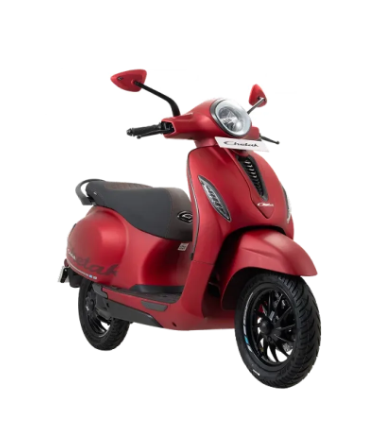
Premium models, including options like Bajaj Chetak, demonstrate how technology can be seamlessly integrated to enhance performance, safety, and convenience for riders. Understanding how EV scooters contribute to reduced emissions, optimised energy use, and smarter city planning helps riders make informed decisions.
Choosing a model that balances environmental impact, technological innovation, and practical usability ensures a smoother, safer, and more sustainable commuting experience. This creates long-term value for both riders and urban communities.
Wait! Before You Go, Read:
 The Rise of Sustainable Investing: How to Build a Green Portfolio
 How New Small-Scale Industries Can Limit Their Carbon Footprint from the Start
 What Links Green Energy & the Airline Sector in India?
 How Business Energy Costs Impact Your Profit Margin—and What You Can Do About It
 How Smarter Transport Choices Can Save You Money
 The Future of Business Operations: AI-Driven Logistics Software
 Window Tinting Benefits for Maple Shade, New Jersey Drivers: Comfort, Safety, and Legal Considerations
 How AI Is Affecting Power Consumption in the U.S.
 The Power Of Biophotonic Glass In Food Packaging
 13 Tips for Small Businesses to Get Involved in the Community Through CSR
 Why Do Industries Rely on HMIs for Better Control?
 Is The High Food Cost Of Your Restaurant Business Eating Up Your Profits?
 Which Distribution Software Is Right for You?
 Why OMR IT Hub Drives Demand for Property in Chennai
 Low Competition Niches for Bloggers: 50 Unique Ideas
 The Importance Of Text Messaging In Small Businesses
 Financial Fitness: 3 Natural Habits to Keep Your Business in Peak Condition
 Top Reasons Job Seekers Prefer Apna for Fast and Reliable Hiring
 Why the Indian iGaming Market Is a Hotspot for New Business Ventures
 The Financial Benefits of Installing a Security Camera System for Your Small Business