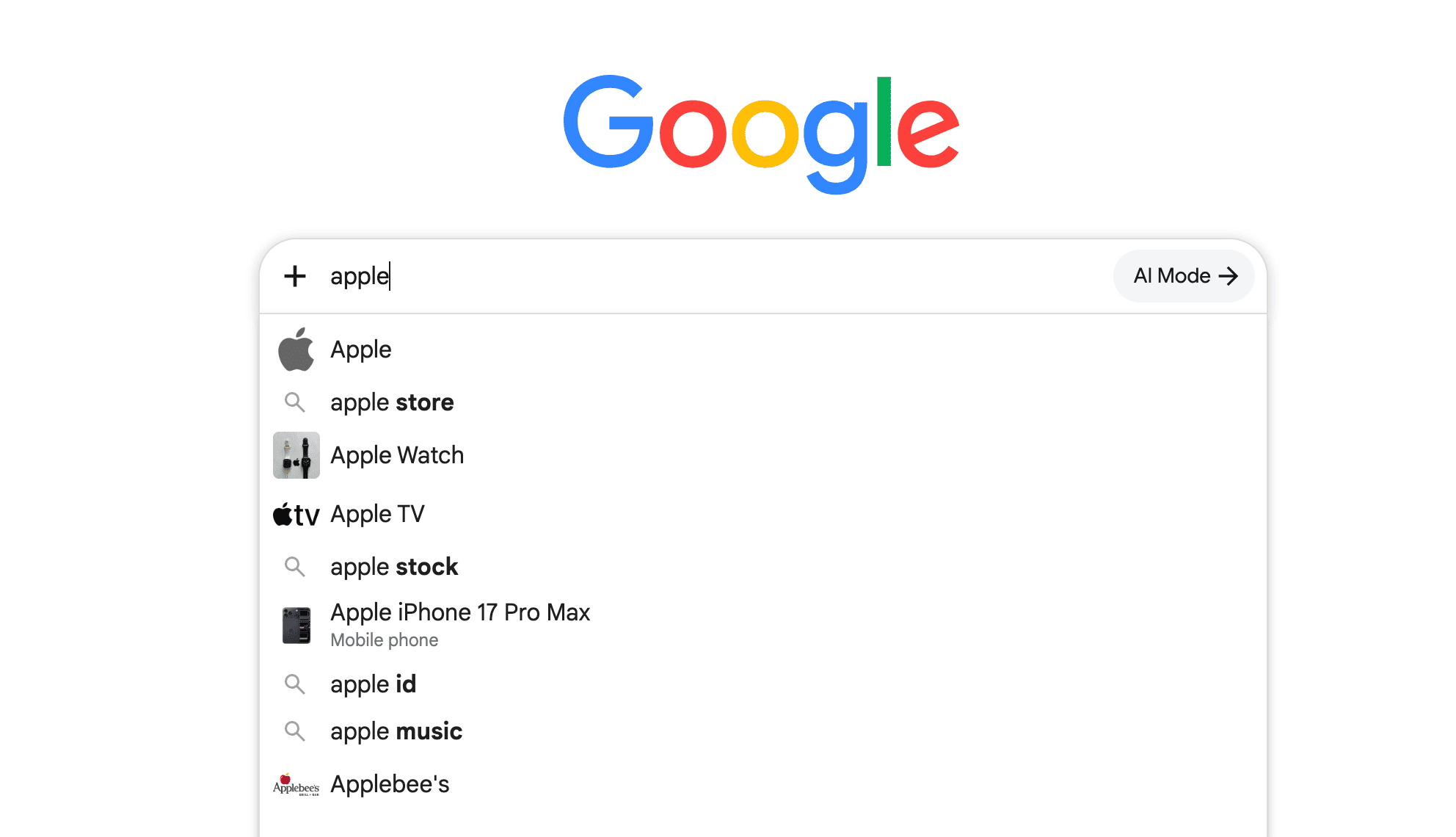
When someone types your company’s name directly into Google, they’re performing what marketers call a branded search. This single action reveals more about your marketing effectiveness than almost any other metric available. Branded search volume signals brand awareness, measures the impact of offline and online campaigns, and often predicts future revenue. Understanding how to track, interpret, and grow branded search can transform how you evaluate marketing success and allocate future budget.
Table of Contents
Key Takeaways
- Branded search occurs when users search for your company name, product names, or trademarked terms rather than generic industry keywords.
- Growing branded search volume is one of the clearest indicators that brand awareness campaigns are working, even when direct attribution feels difficult.
- Branded search terms typically have the highest conversion rates of any keyword category because searchers already know what they want.
- Monitoring branded search over time helps marketers measure the long-term impact of advertising, PR, and content marketing efforts.
- Protecting branded search from competitor bidding and negative SEO is essential to maintaining control over your brand’s search presence.
What Does “Branded Search” Actually Mean?
Branded search refers to any search query that includes a company’s name, product name, or other trademarked terms. Examples include “Nike running shoes,” “Salesforce pricing,” or simply “Slack.”
This differs from non-branded (or generic) search, where users search for a category or need without referencing a specific company. A search for “project management software” is non-branded, while “Asana vs Monday.com” is branded, since it includes company names directly.
Branded search sits at a unique intersection of marketing and consumer intent. Someone searching your brand name has already heard of you somewhere, whether through an ad, a referral, a podcast mention, or a billboard they passed on the highway. They’re now taking the next step: looking you up.
Why Branded Search Matters So Much to Marketers
It Reflects Real Brand Awareness
Unlike surveys or brand lift studies, branded search volume is a behavioral signal. People don’t search for brands they’ve never heard of. When branded search volume increases, it typically means more people are aware of your company and curious enough to learn more.
According to Google Trends data, spikes in branded search often correlate directly with media coverage, product launches, or advertising campaigns. This makes branded search volume a practical, low-cost proxy for measuring brand awareness over time.
It Converts at a Higher Rate
Branded search terms consistently convert better than generic, non-branded terms. A person searching “Nike Air Max 270 price” is much closer to a purchase decision than someone searching “best running shoes.” They’ve already narrowed their consideration set down to one brand.
This is why branded search terms are so valuable in paid search campaigns. Even though competitors may be unfamiliar with your product, your own branded keywords usually deliver the lowest cost-per-acquisition and highest return on ad spend across your entire paid media portfolio.
It Validates Other Marketing Channels
Branded search is one of the few metrics that can help marketers connect offline and upper-funnel activities to measurable outcomes. A television ad, a sponsored podcast segment, or a billboard campaign might not drive immediate clicks, but it often drives a measurable lift in branded search volume in the days and weeks following.
Marketers frequently use this correlation to justify investment in brand-building channels that are otherwise difficult to attribute directly to revenue.
How to Measure Branded Search Volume
Google Search Console
Google Search Console shows which queries bring users to your website, including branded terms. Filtering for your company name or product names reveals impressions, clicks, and average position for those specific queries.
Keyword Research Tools
Platforms such as Ahrefs, SEMrush, and Google Keyword Planner allow marketers to track search volume trends for branded terms over time. These tools are particularly useful for benchmarking branded search against competitors or tracking growth following a major campaign.
Google Trends
Google Trends offers a free, high-level view of how interest in your brand name has changed over time, relative to its own historical baseline. While it doesn’t provide exact search volume numbers, it’s useful for spotting spikes tied to specific marketing events.
What Causes Branded Search Volume to Increase?
Several factors can drive growth in branded search over time:
- Advertising campaigns: TV, radio, out-of-home, and digital ads that feature a brand name prominently often lead to immediate increases in branded search.
- Public relations and media coverage: Press mentions, podcast appearances, and influencer partnerships introduce a brand to new audiences who then search to learn more.
- Word of mouth: Recommendations from friends, family, or colleagues frequently lead to a branded search, since the person already trusts the referral source.
- Content marketing and SEO: Ranking for non-branded, informational keywords exposes new audiences to your brand, some of whom later search for you directly.
- Product launches and news events: Announcements, funding rounds, and major company news can all trigger short-term surges in branded search.
How to Protect and Optimize for Branded Search
Claim Your Branded Keywords in Paid Search
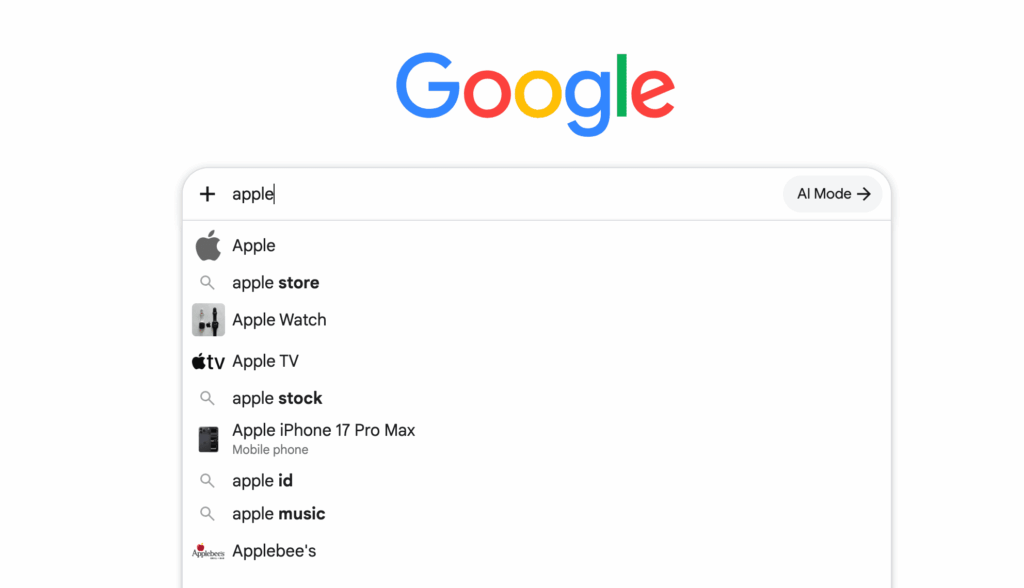
Even if your website ranks first organically for your own brand name, bidding on branded keywords in Google Ads is still worthwhile. Competitors can and do bid on your brand name to appear above your organic listing, intercepting potential customers at a critical moment. Owning the paid ad space, in addition to the organic result, gives you more control over the search engine results page for your own name.
Optimize Your Website for Branded Queries
Make sure your homepage, “About” page, and key product pages are well-optimized for your brand name and common variations (including common misspellings). This includes clear title tags, meta descriptions, and structured data that help search engines and AI systems understand exactly who you are and what you offer.
Monitor Brand Sentiment Alongside Volume
An increase in branded search isn’t always positive. Negative press, product recalls, or public controversies can also drive spikes in branded search activity. Pairing search volume data with sentiment analysis tools or social listening platforms helps marketers understand not just how many people are searching for a brand, but why.
Build a Consistent Content Strategy
Publishing helpful, authoritative content under a consistent brand name and voice builds familiarity over time. The more often people encounter a company name in a positive, useful context, like a blog post, YouTube review, or industry report, the more likely they are to remember and later search for that brand by name.
Branded Search vs. Non-Branded Search: A Quick Comparison
|
Branded Search |
Non-Branded Search |
|
|---|---|---|
|
Example query |
“HubSpot CRM pricing” |
“best CRM software” |
|
User intent |
High, already aware of brand |
Lower, exploring options |
|
Typical conversion rate |
Higher |
Lower |
|
Competition level |
Lower (usually) |
Higher |
|
Primary driver |
Brand awareness campaigns |
SEO and content marketing |
|
Best use case |
Measuring brand lift, capturing demand |
Generating new awareness |
Choose to prioritize branded search campaigns when your goal is capturing demand you’ve already created. Choose non-branded search strategies when your goal is reaching net-new audiences who don’t yet know your company exists. The most effective marketing strategies invest in both, using non-branded content and SEO to build awareness, then branded search tracking to measure whether that awareness is translating into recognition and recall.
Turning Branded Search Into a Strategic Advantage
Branded search volume offers a rare, behavior-based signal of how well your marketing is actually working. It helps validate campaigns that would otherwise be difficult to measure, protects against competitors intercepting your audience, and consistently delivers some of the highest-converting traffic available to any marketing team.
Start by establishing a baseline for your current branded search volume using Google Search Console or a keyword research tool. From there, track how that number shifts in response to major campaigns, PR moments, or content launches. Over time, this data will reveal which marketing investments are genuinely building brand awareness, and which ones may need to be reconsidered.
Frequently Asked Questions
What is the difference between branded search and organic search?
Branded search refers to the content of a query (it includes a company or product name), while organic search refers to the type of result (unpaid listings on a search engine results page). A branded search can return both organic and paid results.
Should I bid on my own branded keywords in Google Ads?
Yes, in most cases. Bidding on your own brand name prevents competitors from appearing above your organic listing and gives you greater control over your search engine results page, even if you already rank first organically.
How can I increase branded search volume for my company?
Branded search typically grows through a combination of advertising, public relations, word-of-mouth referrals, and consistent content marketing. Non-branded SEO content that introduces new audiences to your brand often leads to future branded searches as well.
Does branded search volume affect SEO rankings?
While branded search volume isn’t a direct ranking factor, it’s often correlated with brand authority and trust signals, which can indirectly support overall SEO performance.
Can a sudden increase in branded search be a bad sign?
Yes, it can. A spike in branded search doesn’t always indicate positive attention. Negative news, product issues, or public controversies can also drive a surge in search interest, so it’s worth pairing volume data with sentiment analysis.
Wait! Before You Go, Read:
 Custom-Branded Duffle Bags: Things to Consider Before Buying Them
 10 Tactics to Take Your Local Search Strategy to the Next Level
 ROI vs ROAS: What’s the Difference and Why Do They Matter?
 UX Signals: What They Are and Why They Matter
 How To Use Pinterest In Your Marketing Strategy
 Tips For Combining SEO & Content Marketing
 7 SEO Metrics to Make Sure Your Search Campaigns Are Healthy
 Eight Methods for getting the Most out of Google Search
 How to Create a Quality Content Strategy for a Mobile App?
 5 Types of Marketing That Will Help Your Business Grow
 How to Double the Visits to Your Site, Without Doing Internet Marketing!
 4 Types Of Marketing For Big Brands
 Demand Generation vs Account-Based Marketing: Key Differences
 How to Write for Users and Search Engines: 10 Practical Steps
 How to Make Your Blog Search Engine Friendly
 5 Content Marketing Trends That Should Not Be Ignored
 Mastering SEO & Marketing: Effective Strategies for Financial Firms to Outpace Their Competitors
 Ubersuggest: Keyword Research Made Easy (And Free!)
 Vital Types Of Marketing You Need To Gain Success
 5 Outdated Marketing Tactics You Should Ditch Immediately
 XOVI: All-In-One Marketing Suite (Alternative to SEMRush)
 Tips for Using Google Analytics Effectively
 Ethical Search Engine Optimization Tips
 Expanding Your Industrial Equipment Business with Digital Marketing Strategies
 10 Best Digital Marketing Jobs You Can Do From Home