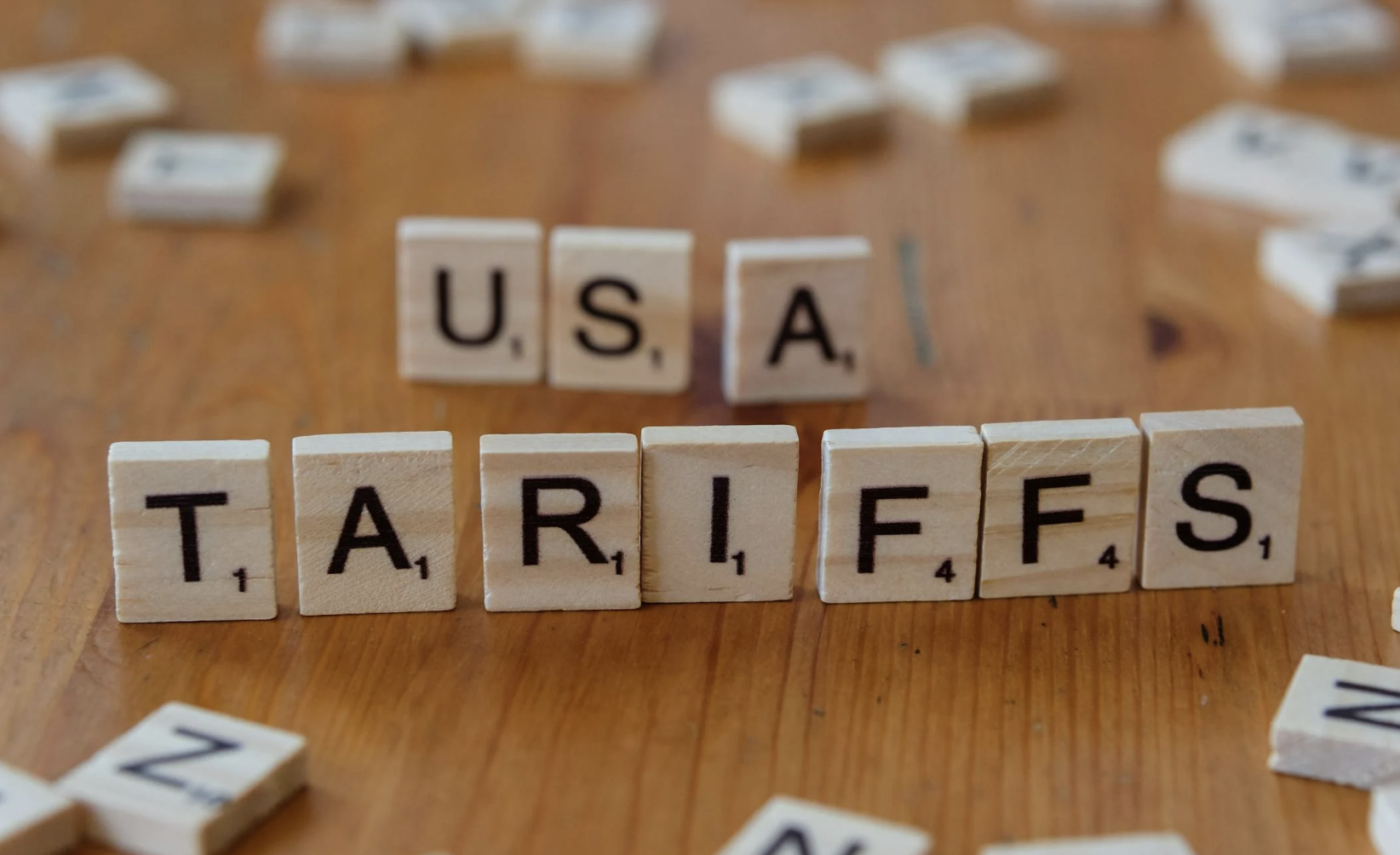
When people hear the word tariffs, they usually think about global trade, politics, or international negotiations. But what many do not realize is how these taxes on imported goods can eventually hit much closer to home. In fact, tariffs can have a surprisingly big impact on consumer debt. The connection might not be obvious at first, but once you start looking at how tariffs ripple through the economy, it becomes clear why many people may end up needing help like debt settlement down the road.
At its core, a tariff is a tax placed on goods imported from other countries. The idea is to make foreign products more expensive, encouraging people to buy domestic goods instead. But in reality, these higher prices often end up getting passed on to everyday consumers. And when prices rise, budgets get tighter, savings shrink, and debt becomes harder to avoid.
Table of Contents
Higher Prices on Everyday Items
Tariffs can affect a wide range of products, from electronics and clothing to food and household goods. When these tariffs go into effect, the companies importing these products often raise their prices to cover the extra cost. As a result, consumers are left paying more for the same items they used to buy at lower prices.
For families already trying to make ends meet, these price increases can be especially painful. The extra money going toward groceries, clothing, or appliances means there is less left over for everything else, including paying down existing debt. Many people find themselves relying more on credit cards just to cover basic needs, causing their balances to grow.
The Pressure on Monthly Budgets
Most households operate on a fairly fixed monthly income. When the cost of essential goods rises because of tariffs, families have to adjust their spending somewhere else. Unfortunately, this often means cutting back on savings or paying only the minimum on credit cards and loans.
Over time, this shift leads to growing balances and increasing interest charges. What starts as a few extra dollars a month can snowball into a much larger financial problem. As credit card balances climb, some people eventually turn to debt settlement as a way to manage the overwhelming burden.
Increased Use of Credit Cards
When prices go up but income stays the same, many consumers turn to credit cards to fill the gap. Credit cards offer a temporary solution, letting people maintain their current lifestyle even as their purchasing power shrinks. But this short term fix often creates long term problems.
As balances increase, so do monthly minimum payments. High interest rates make it difficult to pay off the principal, keeping people stuck in a cycle of debt. And because these charges accumulate quietly, many consumers do not realize how deep they are getting until it becomes unmanageable.
Delinquency Rates May Rise
As more people struggle to keep up with their payments, delinquency rates can start to climb. When credit card and loan payments are missed, it damages credit scores and limits access to future credit. This can trap people in a financial corner where their options for relief become more limited and expensive.
If tariffs continue to push prices higher across multiple industries, financial strain spreads across more households. People who were managing fine before may find themselves falling behind, not because of poor financial decisions, but simply because everything costs more and their income has not kept up.
Economic Slowdown and Job Insecurity
Tariffs can also have indirect effects on employment. Companies facing higher costs may reduce hiring, cut back on employee hours, or even lay off workers. If people lose income due to job cuts or reduced hours, their ability to stay current on debt payments gets even more challenging.
Increased job insecurity adds another layer of financial stress. People may avoid making large payments toward debt because they want to keep more cash on hand in case their job situation changes. While this makes sense in the short term, it can allow interest to keep growing and debt to become a bigger problem later.
Long Term Effects on Financial Stability
The combination of rising prices, increased credit card use, and potential job losses can weaken overall financial stability for many households. As debt levels rise and savings shrink, people become more vulnerable to unexpected expenses. A car repair, medical bill, or home repair can quickly push an already stretched budget into crisis mode.
Without enough savings to handle emergencies, people may rely on even more credit, creating a dangerous cycle that is hard to break. Eventually, some may turn to debt settlement or other forms of financial assistance to find relief.
How to Protect Yourself
While individual consumers cannot control whether tariffs are imposed, there are steps you can take to minimize their impact on your personal finances. Start by revisiting your budget and looking for areas where you can cut back on non essential spending. Building an emergency fund, even a small one, can help you handle unexpected expenses without relying on credit.
Avoid adding new debt if possible, and focus on paying down high interest balances. If you start to feel overwhelmed by debt, do not wait too long to seek help. Talking to a financial advisor or credit counselor can help you explore your options before things get out of hand.
The Bottom Line: Hidden Consequences of Tariffs
Tariffs may seem like distant economic policy issues, but they can have very real effects on your day to day finances. As prices rise, many people find themselves relying more on credit to keep up, leading to higher debt levels and greater financial stress.
Understanding the ripple effects of tariffs helps you stay prepared and make smarter financial decisions. By being proactive about your spending, building savings, and managing debt responsibly, you can protect yourself from the hidden ways tariffs might affect your financial health.
Wait! Before You Go, Read:
 How Much Debt Can Be Considered as Too Much Debt?
 When High-Interest Debt Pushes, Equity Pulls You Out
 Beyond Tax Debt: Building a Stronger Financial Foundation
 3 Debt Collection Mistakes You Should Never Make
 The Emotional Side of Debt Consolidation
 Types of Debt Relief Programs for IRS Tax Problems
 What Is a Secured Credit Card?
 Can Debt Collectors Touch Your Side Hustle Earnings?
VA Debt Forgiveness Programs: How They Work for Service Members
Can Debt Collectors Touch Your Side Hustle Earnings?
VA Debt Forgiveness Programs: How They Work for Service Members
 Practical Advice On Balancing Business Growth And Debt Repayment
 Navigating IRS Debt Forgiveness: A Guide for Small Business Owners
 How the 2026 Minimum Wage Increase Will Affect Your Business
 How Subrogation Claims Affect Your Personal Injury Settlement
 Key Factors That Affect Forex Liquidity and Market Stability
 Refinancing in a Rising Interest Rate Market: Is It Worth It?
 Tips On How To Deal With Bad Credit
 Can Refinancing Really Save You Money on Your Mortgage?
 Budget Vs. Financial Plan: Here’s Why You Need Both
 How Google Chrome 62 Can Affect Your SEO and Online Business
 Engaging the New Consumer with Visual Media
 5 Key Takeaways on Financial Management
 How a Lawsuit Can Affect Your Online Business
 10 Key Benefits of Filing Chapter 13 Bankruptcy
 Quick Borrowing Options to Help with Financial Gaps
 Signs You Might Need a Bankruptcy Lawyer Sooner Than You Think